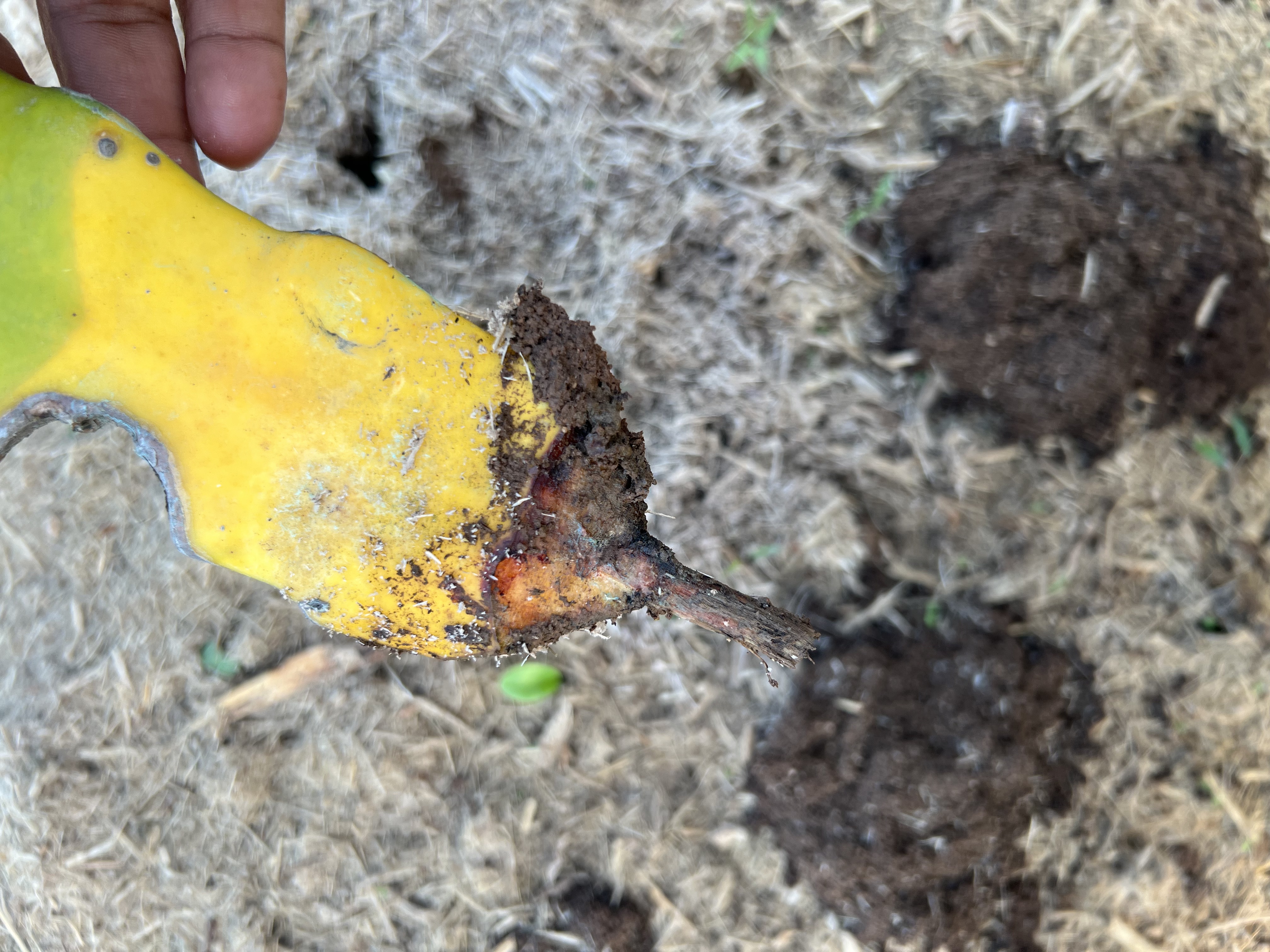
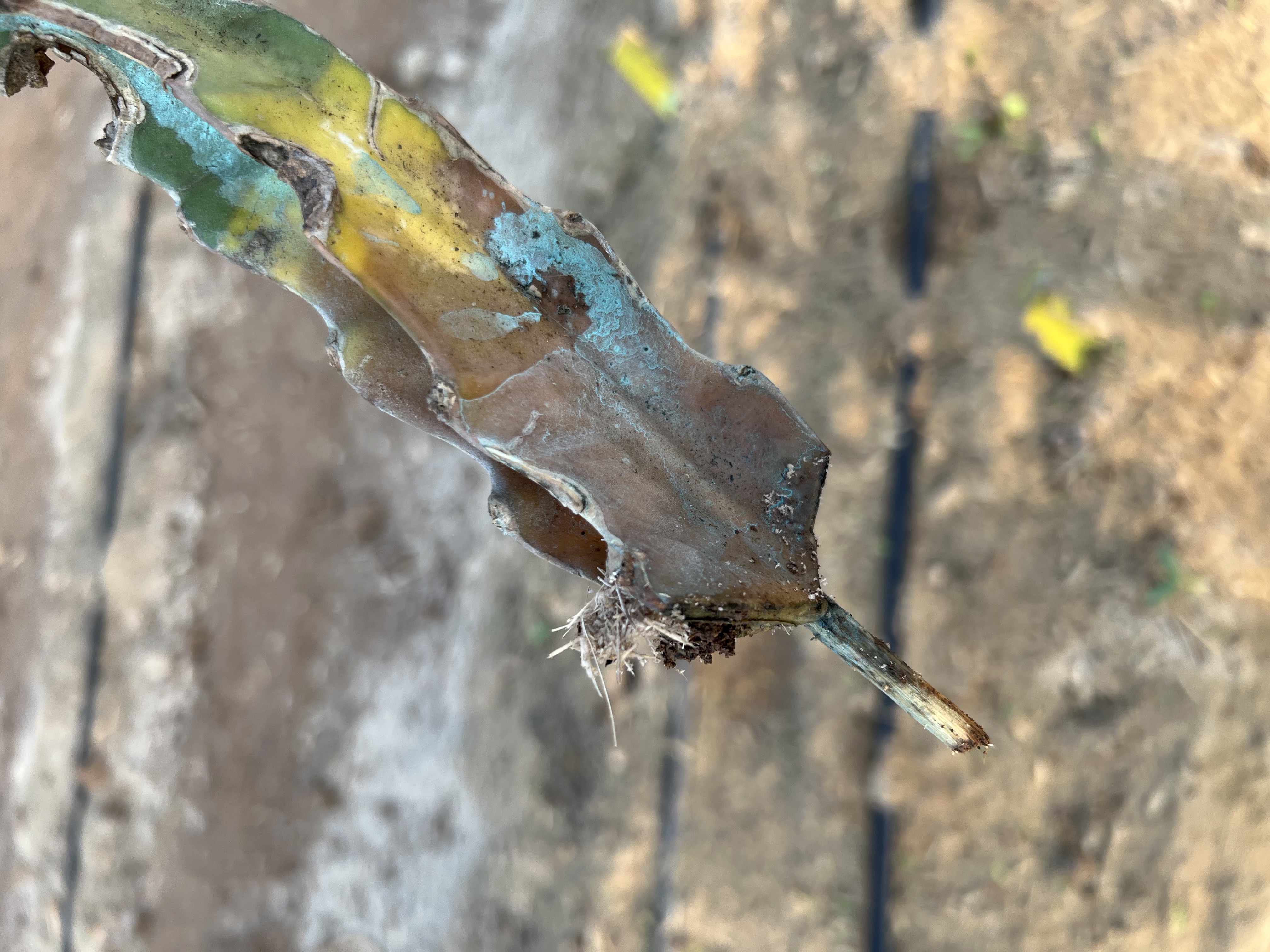
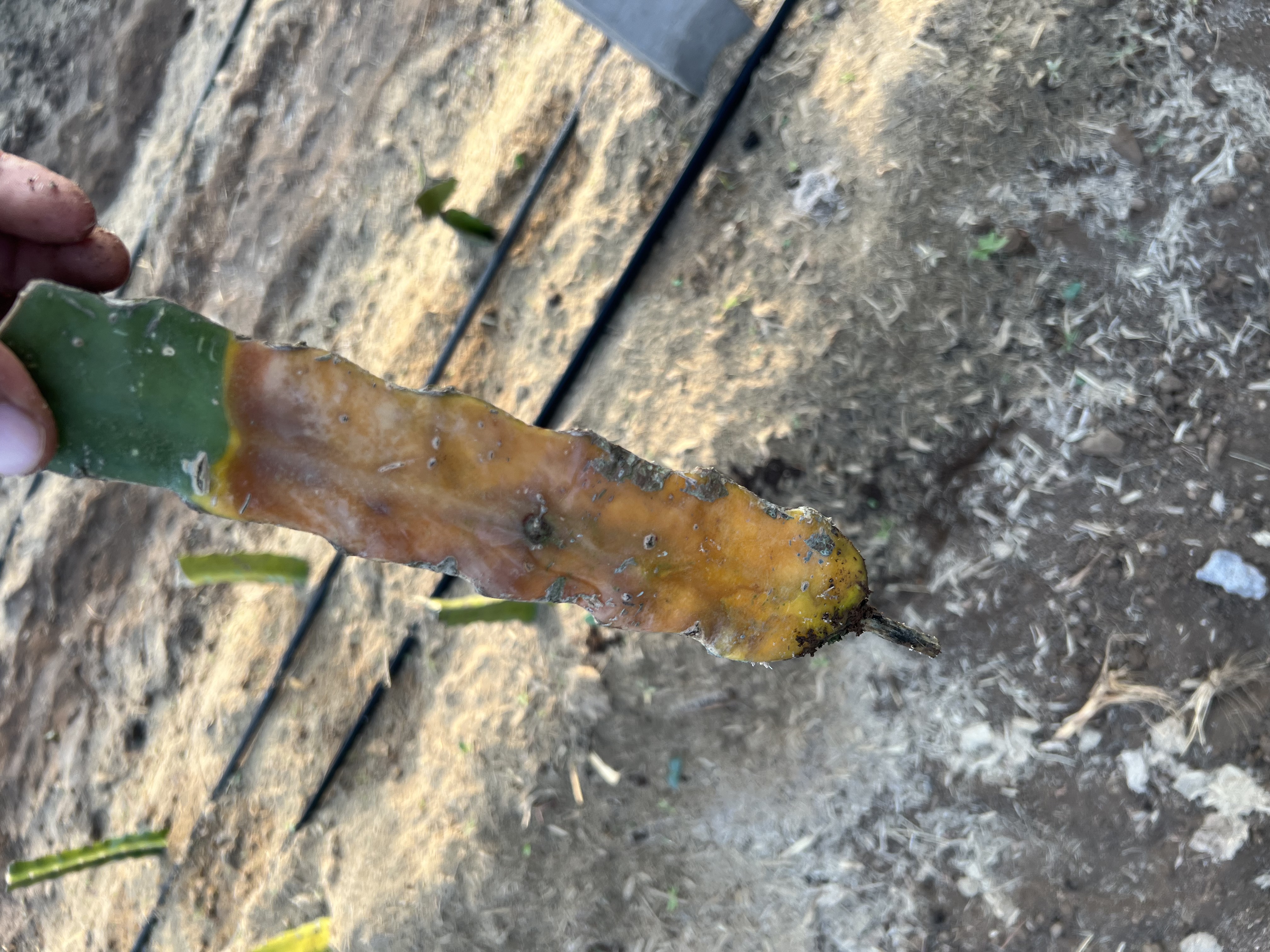
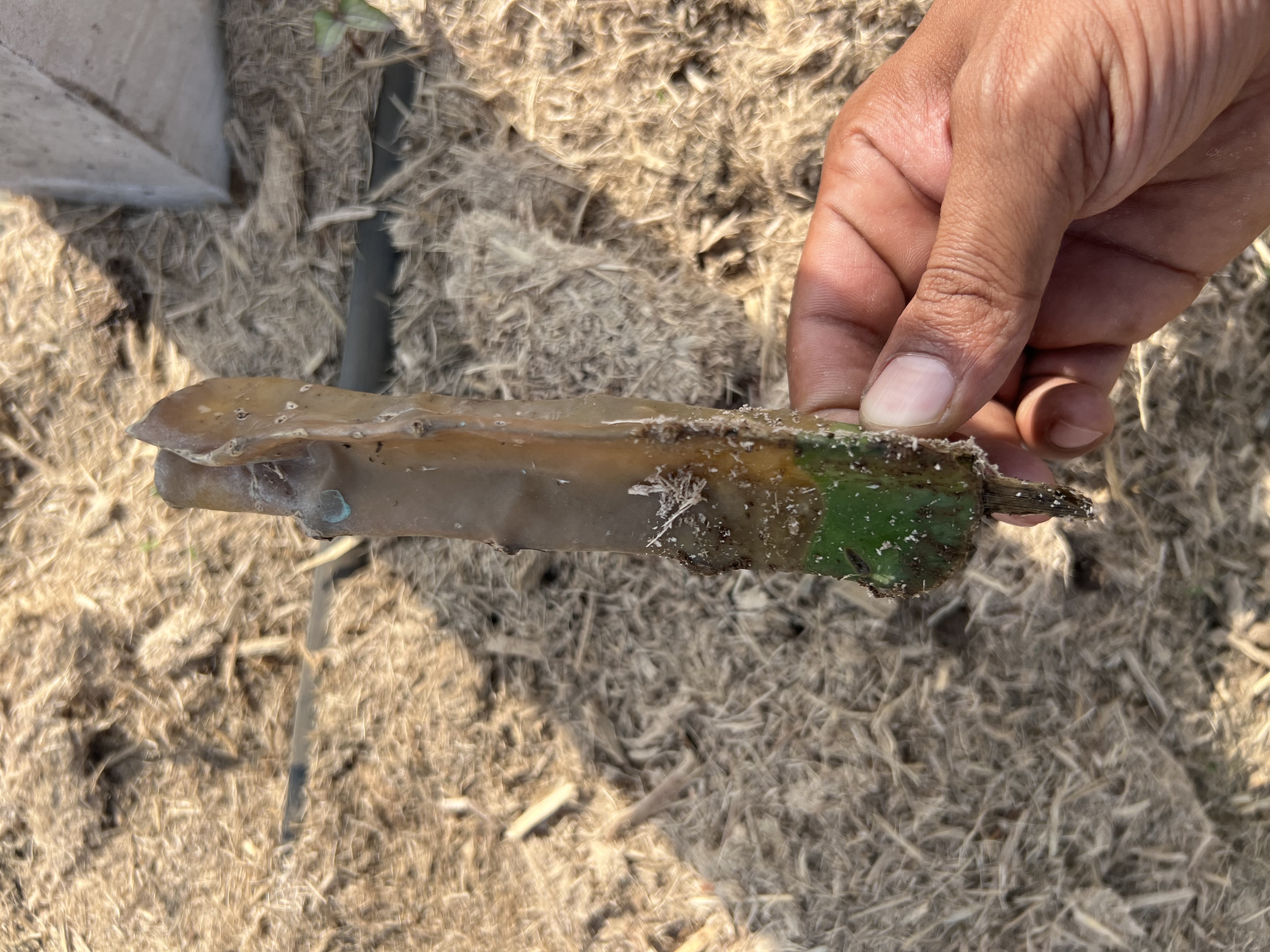
Exceptional flavor starts from the ground up. By cultivating a
vibrant, natural ecosystem beneath our trees, we grow Kesar
mangoes with an unmatched depth of sweetness and aroma.
Harvested at the exact moment of peak ripeness for a
melt-in-your-mouth experience.
Hi, I'm Niraj Patel, a fourth-generation farmer. When the
world paused during the pandemic, it sparked a profound shift
in my life. I turned to the earth, starting a commercial
vegetable farm. That hands-on experience deepened my
connection to the land and eventually drew my focus to the
established mango orchard already resting on our family farm.
However, getting closer to the soil opened my eyes to a
painful reality. I witnessed firsthand the severe loss of
local biodiversity and the slow, heartbreaking degradation of
the earth caused by years of conventional agricultural
practices in our region.
That realization became our turning point.
At Sunrise Acres, we have a Soil First approach. From this
year onwards, we are adopting a no-till system, actively
enriching our soil through natural composting and rainwater
harvesting while completely eliminating the use of glyphosate.
By committing to these regenerative practices, we are creating
a vibrant ecosystem. And it is from this revitalized earth
that we proudly share the purest, most flavorful Kesar mangoes
we can possibly grow.
The Crown Jewel
A Heritage of Sweetness
Revered across the globe as the
Queen of Mangoes, the Kesar variety is distinguished by its vibrant saffron
hue, intoxicating aroma, and incredibly sweet, melting pulp.
At Sunrise Acres, our dedication to quality begins with how we
nurture each tree. We believe that a tree in balance yields
the perfect fruit.
This careful balance allows our mangoes to ripen perfectly on
the tree, yielding a premium harvest that is exceptionally
sweet and bursting with flavor. It is the ultimate summer
indulgence, hand-picked from our orchard and brought directly
to your table.
Our Harvest Boxes
Choose between our two meticulously curated 10kg boxes. Every
mango is hand-picked directly from our trees to ensure absolute
freshness.
Sunrise Standard
10kg Classic Kesar
Premium quality, naturally grown without cover bags. These
mangoes bear the beautiful, authentic marks of nature while
delivering uncompromising taste.
Hand-picked from the orchard
Uniform sizing
Sun-kissed, natural skin
Impeccable
The Crown Jewel
10kg Pristine Kesar
Flawless beauty. Cultivated delicately inside protective
cover bags on the tree, yielding unblemished skin and
pristine visual perfection. The ultimate gift.
Hand-picked from the orchard
Uniform sizing
Zero marks or blemishes (Bag-grown)
Insights & Stories
The Sunrise Journal
Notes from a fourth-generation farmer on soil rejuvenation, no-till
practices, and cultivating the Queen of Mangoes in harmony with
nature.
When I first returned to our family farm, the conventional wisdom
passed around the community was clear: clear the land, till the soil
to keep it soft, and use chemical sprays to manage the weeds. But as
I spent more time working with my hands in the dirt, I realized
something was profoundly wrong.
The earth felt tired. It lacked the rich, loamy texture and the
vibrant earthworms that I remembered from my childhood. That was the
moment we decided to pivot our entire philosophy at Sunrise Acres.
Portrait Image SpaceReserved for 9:16 vertical image of the soil
The Magic of Leaving the Soil Alone
Tilling the soil is essentially like running a tornado through a
microscopic city. Beneath the surface exists a complex web of fungi,
bacteria, and insects that naturally break down organic matter and
deliver nutrients directly to the roots of our Kesar mango trees.
"We realized that exceptional fruit begins beneath the surface. Our
job isn't to force the tree to grow; our job is to feed the soil, so
the soil can feed the tree."
By adopting a no-till system, we stopped destroying these microbial
networks. Instead, we started layering organic compost and
encouraging natural ground cover.
Vertical Video SpaceReserved for 9:16 video clip (e.g., Farm Tour Reel)
A Thriving Ecosystem
Today, the difference is night and day. The ground beneath our
8-to-10 foot mango trees is spongy and alive. It retains rainwater
far better than it ever did, and our trees are far more resilient to
the intense summer heat.
It's a slower, more deliberate way to farm. But when you bite into a
piece of our harvest and taste the true, pure essence of the Queen
of Mangoes, you understand exactly why we do it.
Have a query about this story?
Connect with me directly to discuss farming, soil, or our
mangoes.
Hard-Won Lessons from My First Year Growing Dragon Fruit
Niraj Patel
4th Generation Farmer
"If someone had shown me a photograph of my dragon fruit orchard
today, I probably would have planted it anyway. What they couldn't
have shown me were the 1300+ plants that wouldn't survive long
enough to become part of that picture."
Every May, Sunrise Acres comes alive with the mango harvest. Workers
moving at sunrise, harvesting, sorting, grading, packing boxes for
customers hundreds of kilometres away. Phones ring, schedules
tighten, and every evening ends with the quiet satisfaction of
another successful season leaving the farm. Then, almost overnight,
it ends. The orchard falls quiet. Most people see the end of harvest
as the finish line. I've come to see it as a question.
In 2024, after another mango season, I stood beneath one of the
trees and found myself thinking not about the harvest just
completed, but the one that hadn't happened yet. What if next year
wasn't as good? It wasn't pessimism; it was practical. Agriculture
constantly reminds you that no two seasons are the same. Weather,
markets, and pests can undo months of work in a single event. The
more I thought about it, the clearer it became. Our farm depended
heavily on one crop. I love growing mangoes and hope they remain at
the heart of Sunrise Acres for decades. This wasn't about replacing
them. It was about making the farm more resilient so one difficult
season wouldn't define our future. That single thought quietly
changed everything.
Like many exploring a new crop, I began with the internet. Evenings
once filled with mango season were now spent reading articles,
watching videos, and listening to growers. Dragon fruit appeared
everywhere, healthy orchards with bright pink fruit, talk of
impressive yields and growing demand. It ticked many boxes,
different from mangoes, potential for long productive life, and a
genuine challenge that excited me. There was just one problem.
Almost everything online began with an established orchard. Very
little began where every farmer actually starts with bare land,
uncertainty, and questions. No one seemed to talk about the months
between planting a cutting and harvesting the first fruit, the phase
where enthusiasm is tested by reality and every decision matters
more because experience is still catching up. Those months rarely
produce beautiful photographs, but they produce something far more
valuable. Experience, that unlike fruit, cannot be harvested early.
By the end of 2024 the decision was made. I wasn't planting because
someone promised profit or because social media made it look easy. I
was planting because I wanted to become a better farmer. At the time
I thought I was choosing a new crop. I didn't realise I was also
choosing a new teacher one with very little interest in making the
lessons easy.
After weeks of research I chose Siam Red (C), a red-fleshed variety
widely grown in India with a good reputation for fruit quality and
commercial potential. The orchard would occupy one acre of our farm
in Duwada village, Navsari district, Gujarat. The soil was sandy &
at the time I saw this as an advantage because sandy soils drain
quickly and generally suit dragon fruit better than heavy clay,
reducing waterlogging risk and allowing roots adequate oxygen. What
I hadn't fully appreciated was the other side, water and nutrients
disappear quickly underground, and mistakes can remain hidden for
weeks before revealing themselves.
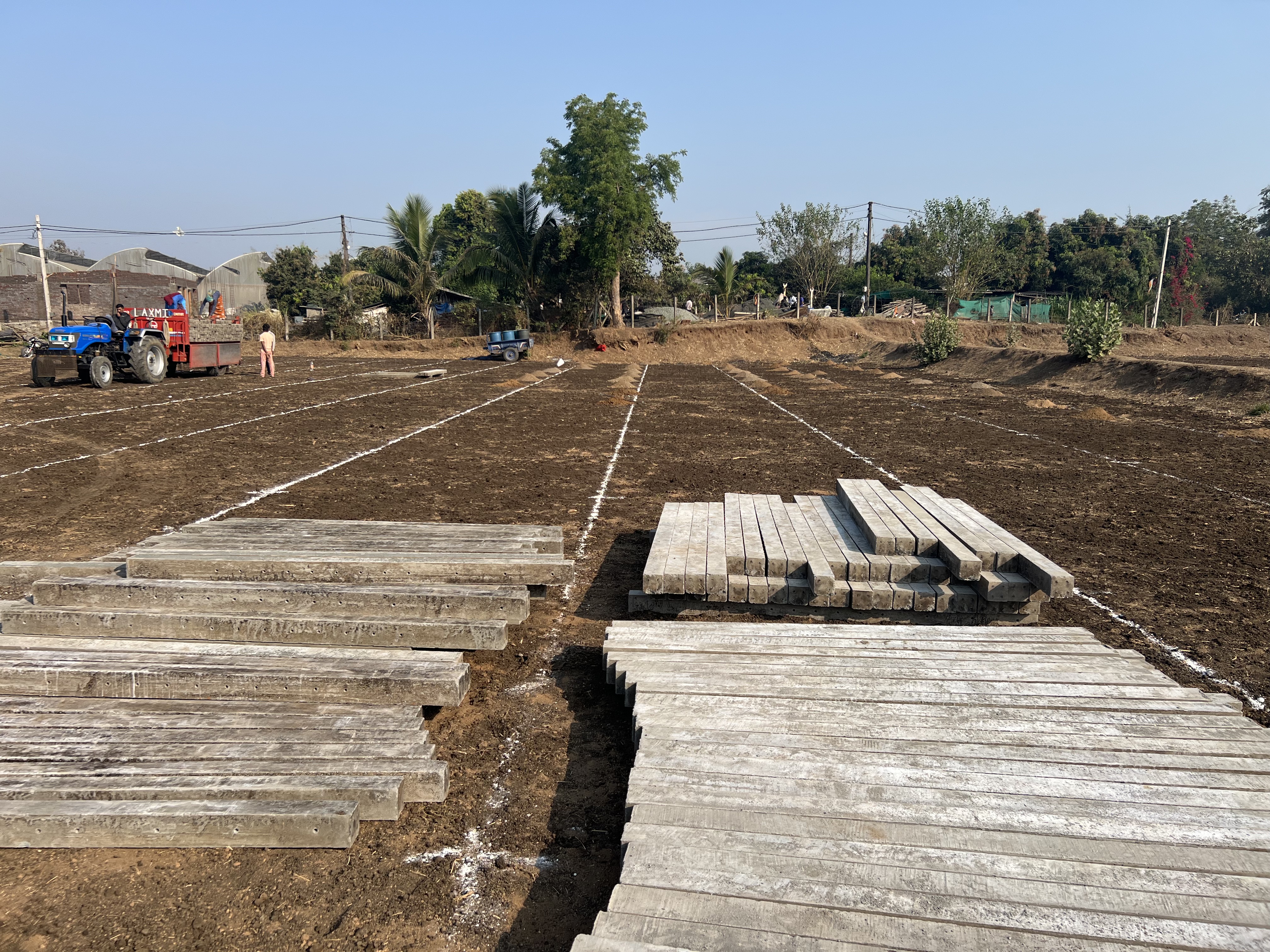
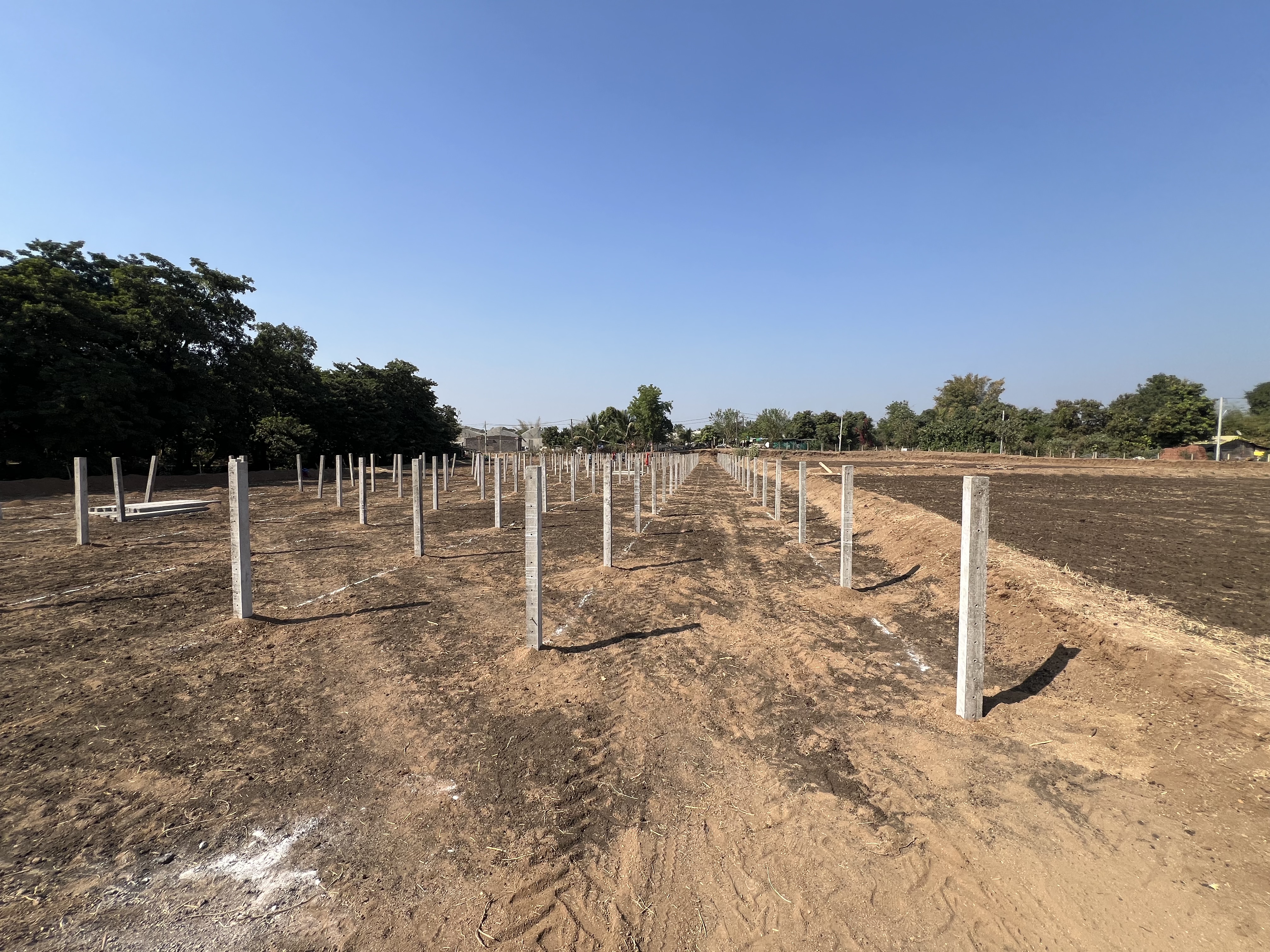
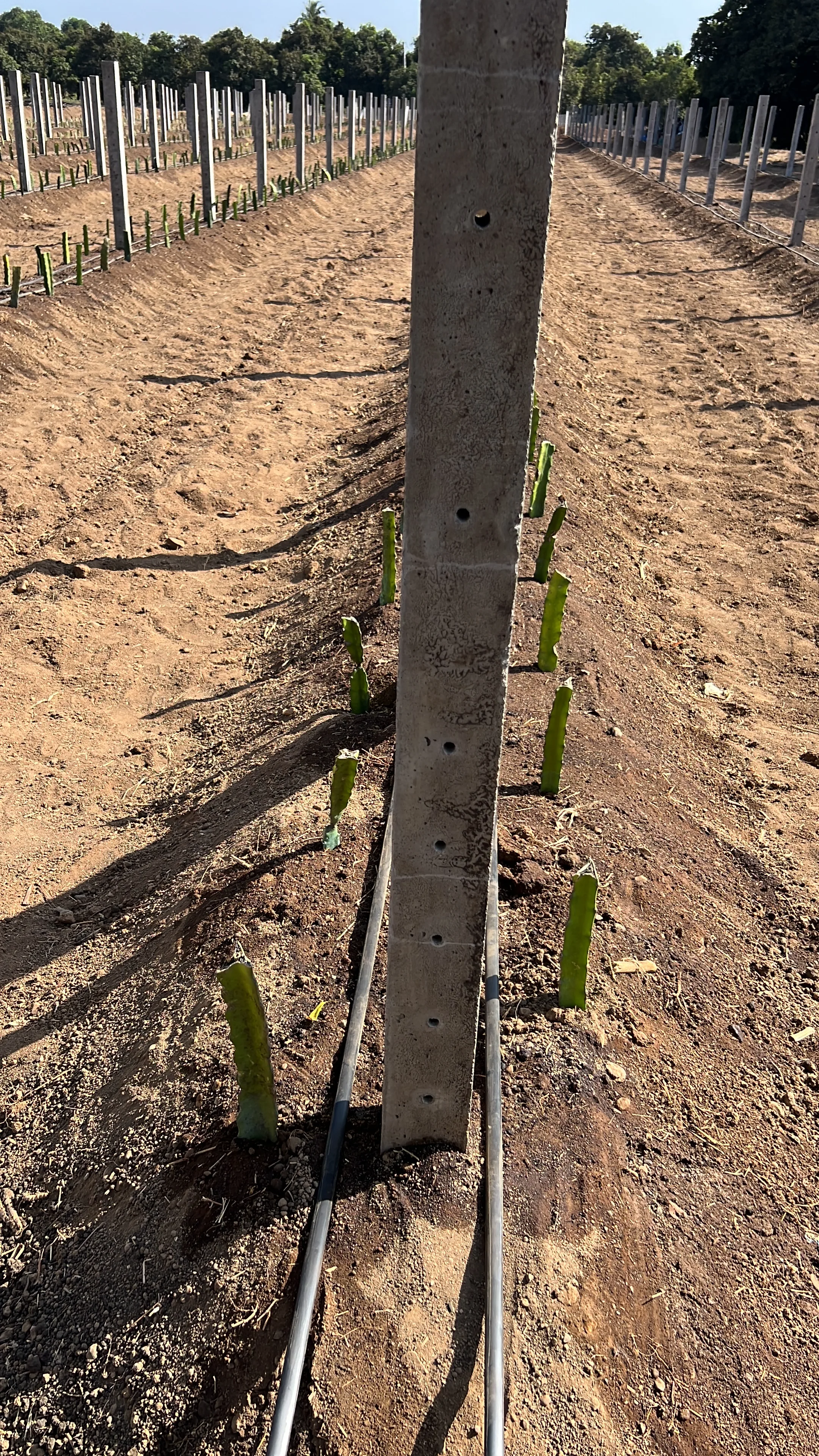
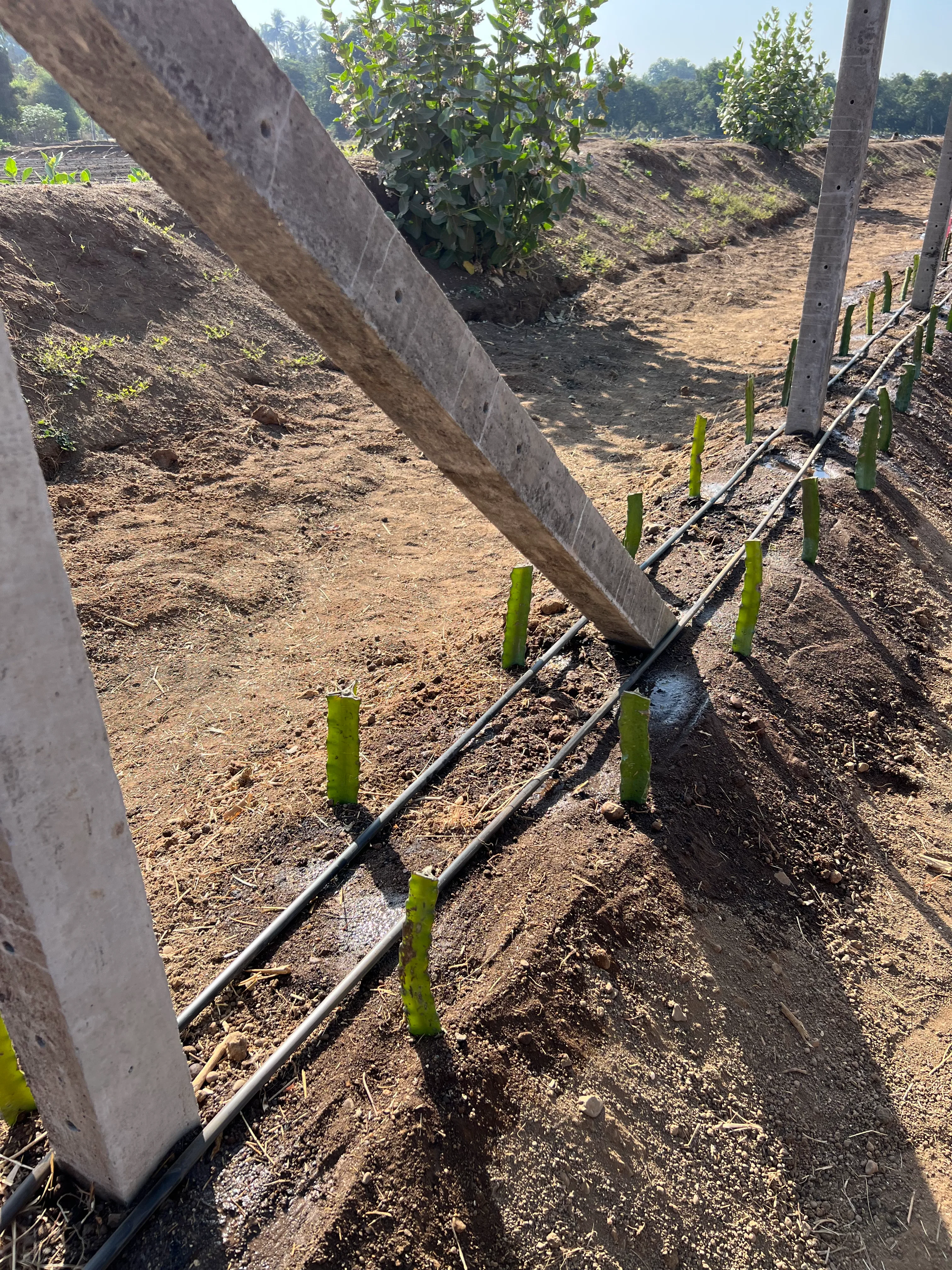
I decided on a high-density system. Concrete poles at 10x10 feet
and 2 feet of spacing between cuttings. The idea was simple, more
healthy plants in the same area would improve long-term
productivity. I still believe the layout was right. What I
underestimated was that higher density also demands higher
discipline: pruning, air circulation, disease management, and close
observation. The more plants you have, the less room there is for
mistakes.
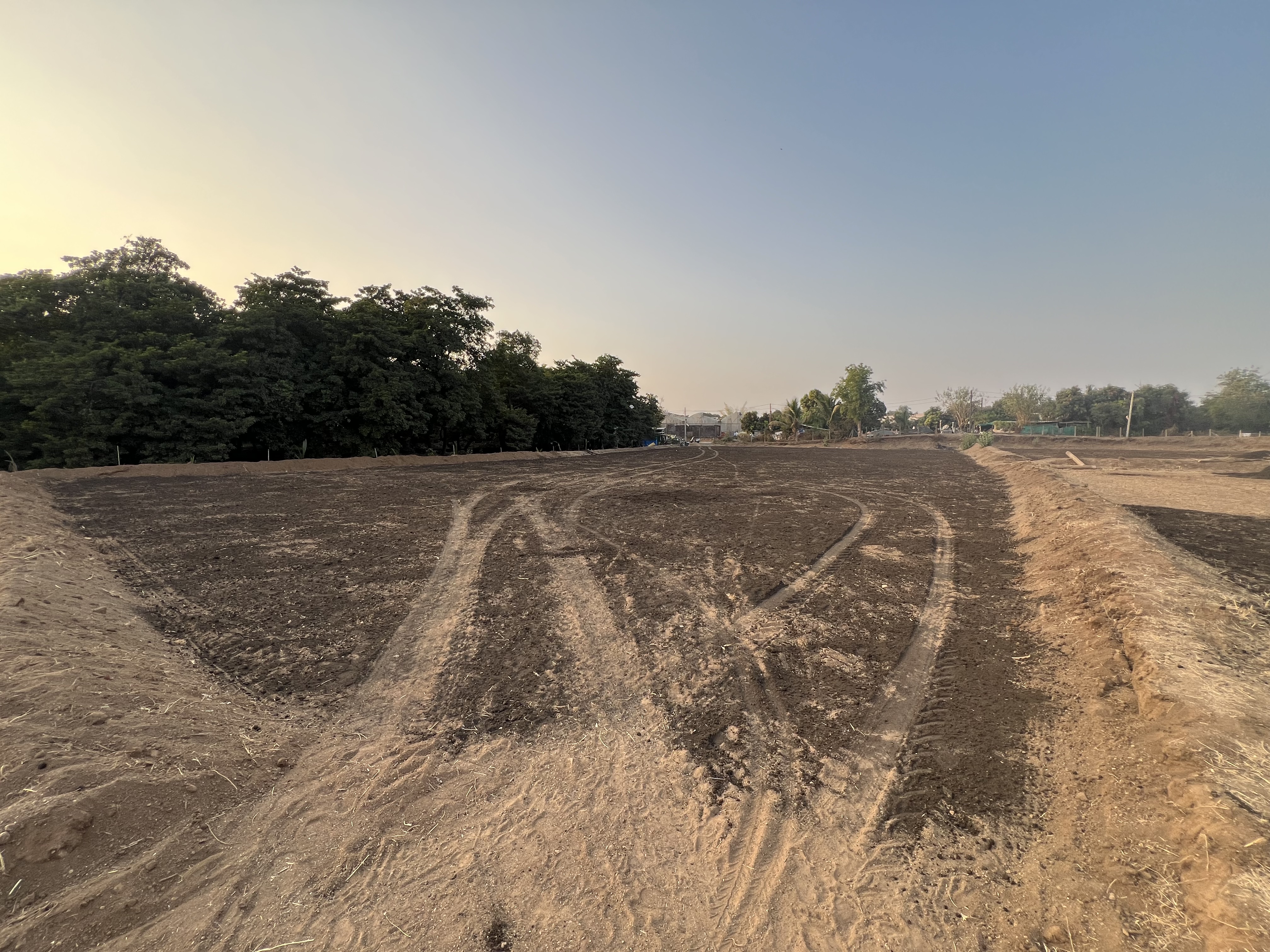
Building took weeks. The field was levelled with a slight slope for
monsoon drainage. Concrete poles went in one by one, beds were
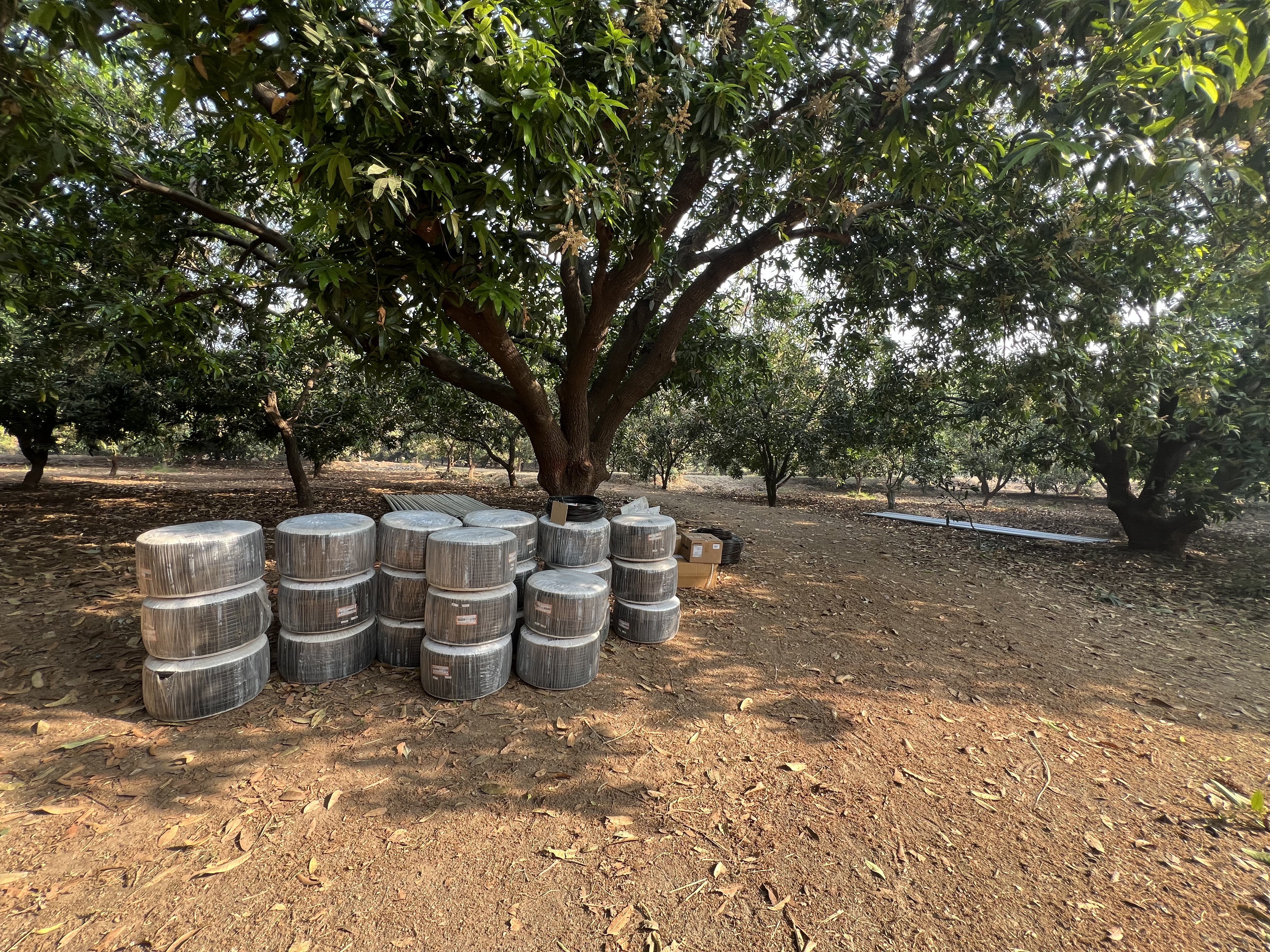
prepared, and drip irrigation installed. For basal nutrition I
incorporated mudpress compost along with Phosphate Rich Organic
Manure (PROM). At the time I thought success would largely depend on
how well I built the orchard. A year later I realised something more
important: a well-built orchard and a well-established orchard are
not the same thing. One is created by the farmer. The other is
earned over time.
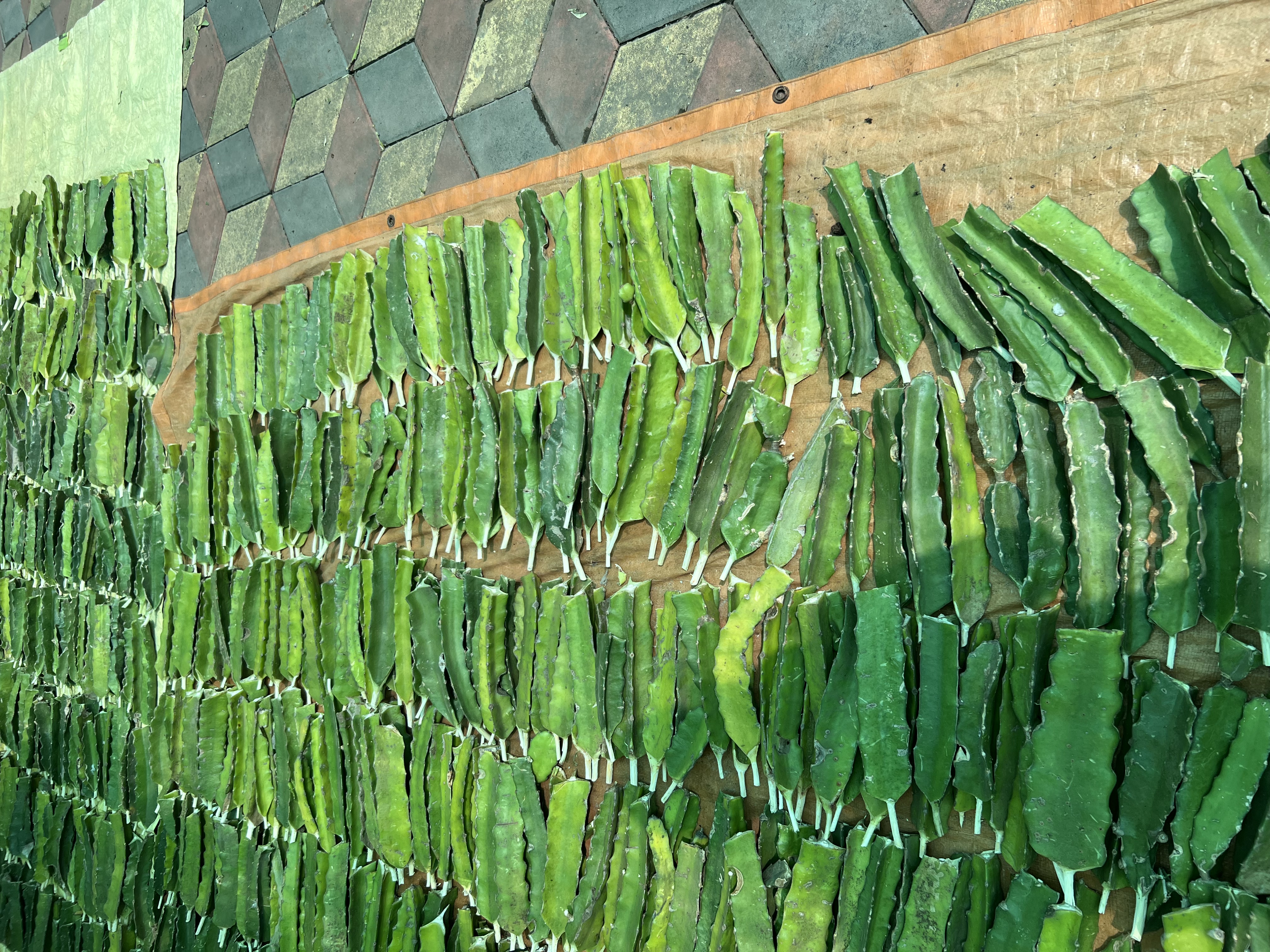
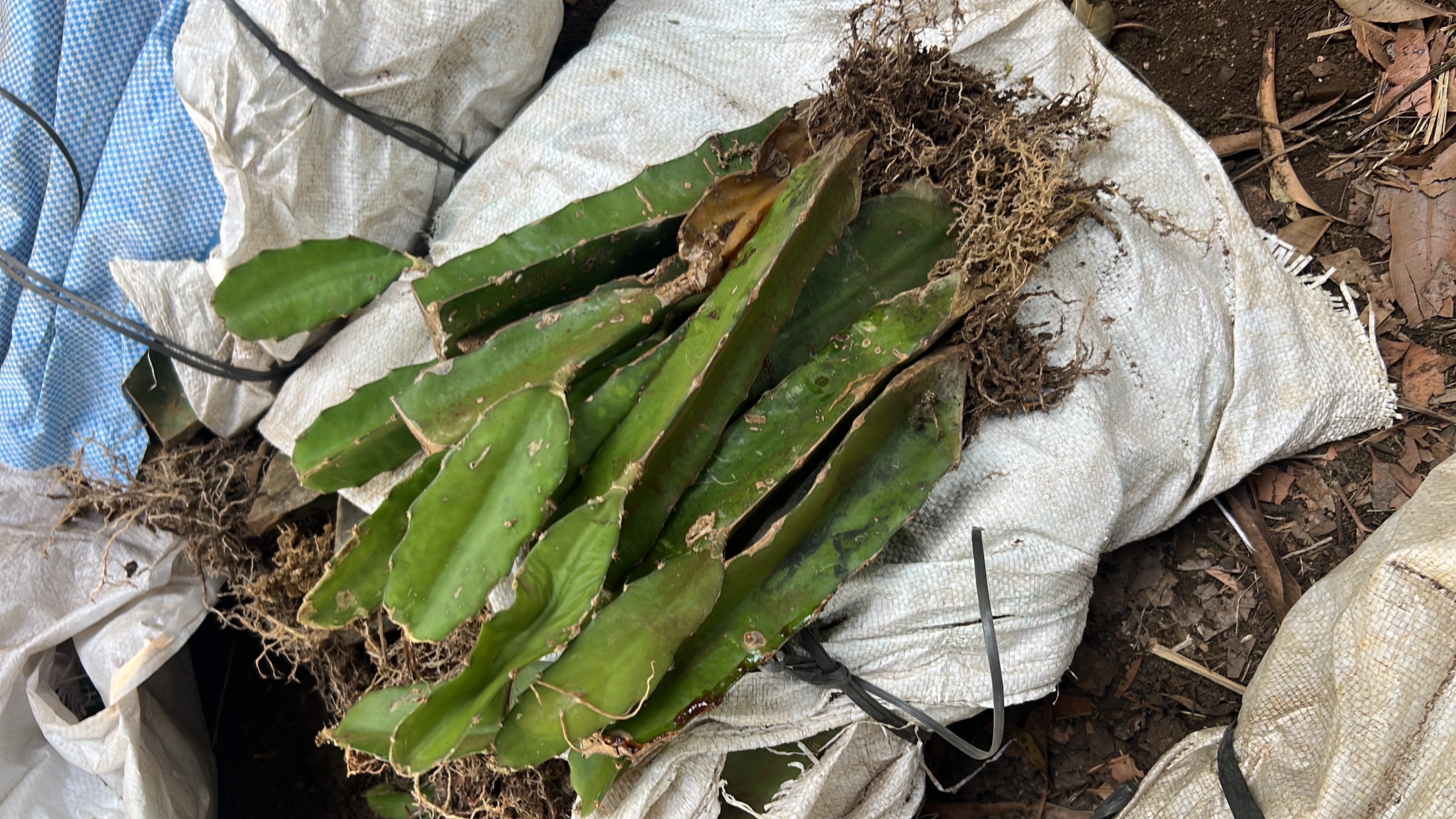
The planting material came from two sources. From a local farmer I
purchased 2,100 unrooted cuttings. The remaining 1,500 plants came
from Deccan Exotics in Hyderabad, these already had established
roots and at least one healthy shoot. At the time I didn't think
much about the difference. Only months later would I realise I
hadn't planted one orchard; I had unknowingly started two very
different experiments. One group had already crossed the most
difficult early stage. The other had yet to begin.
Planting day, 23 February 2025, is one I'll always remember because
it marked the beginning of something I had never done before. My
parents were there to support me. Although this was my project,
having them by my side made the moment special. Farming often
appears individual, but behind almost every farm is a family that
quietly supports the decisions, risks, and uncertainties. By evening
all 3,500 cuttings were planted. The irrigation system was ready,
supports stood exactly as planned, and the field looked complete.
Walking through before leaving, every cutting stood upright, rows
neat, soil freshly worked. I genuinely believed the difficult part
was behind me. Planting an orchard is only a day's work.
Establishing one is where the real journey begins.
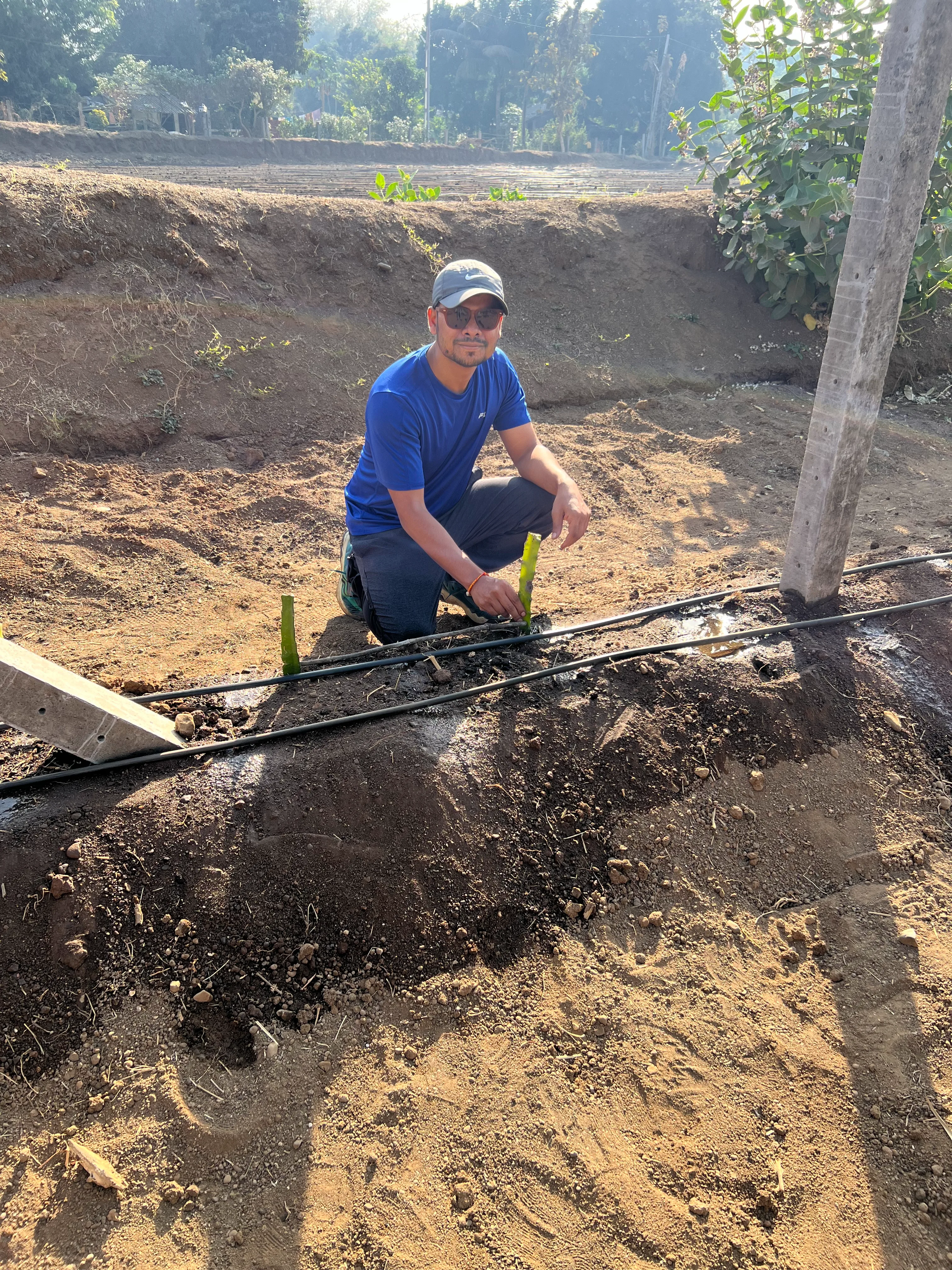
For the first week or so I walked into the orchard expecting new
growth. Every morning I looked for the first signs of rooting.
Nothing seemed unusual. The cuttings stood upright, irrigation
worked, the field looked exactly as on planting day. If someone had
visited then, they probably would have congratulated me on a
well-established orchard. The truth was, nothing had been
established yet. Everything important was happening below the soil,
where I couldn't see it.
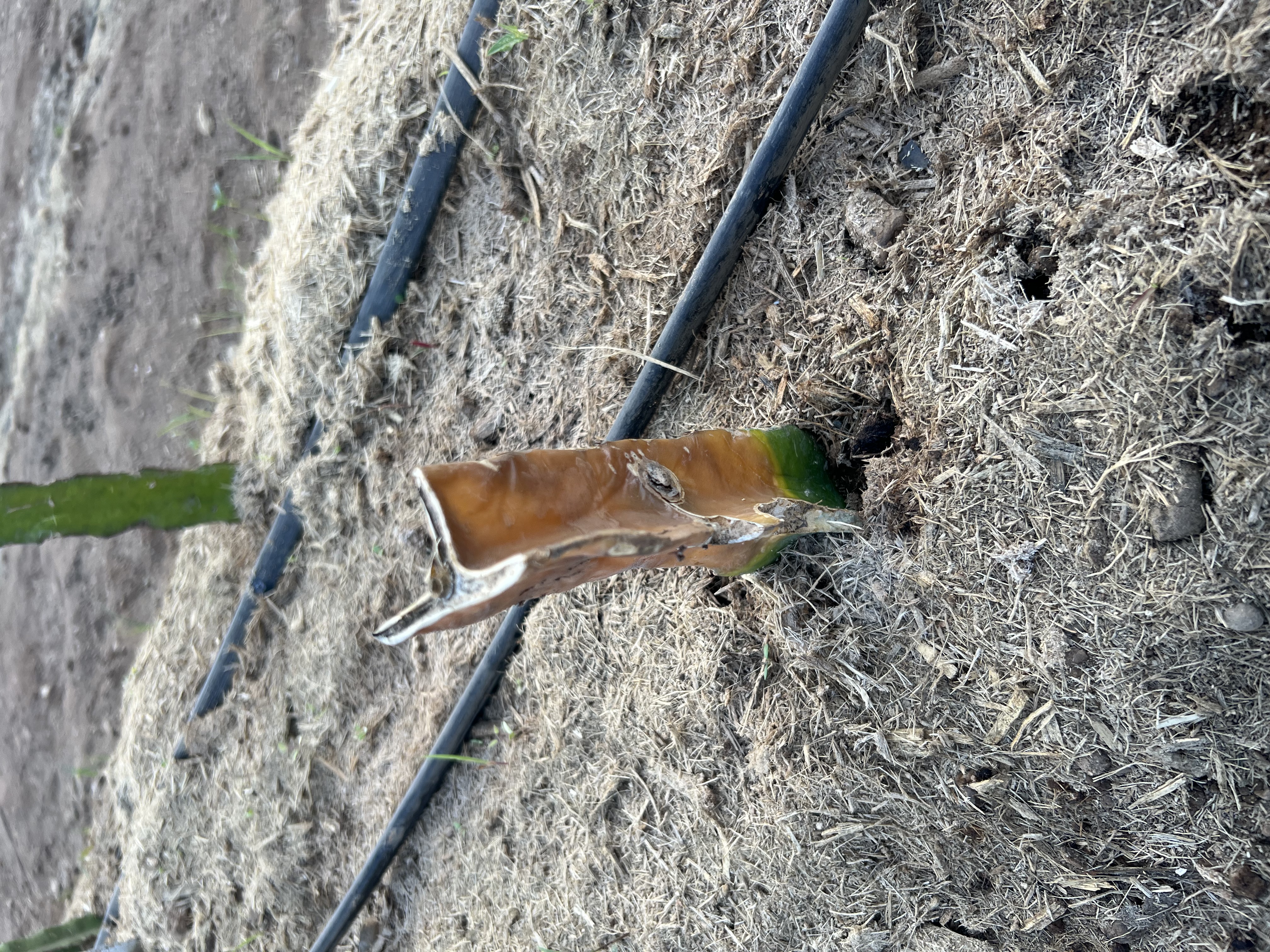
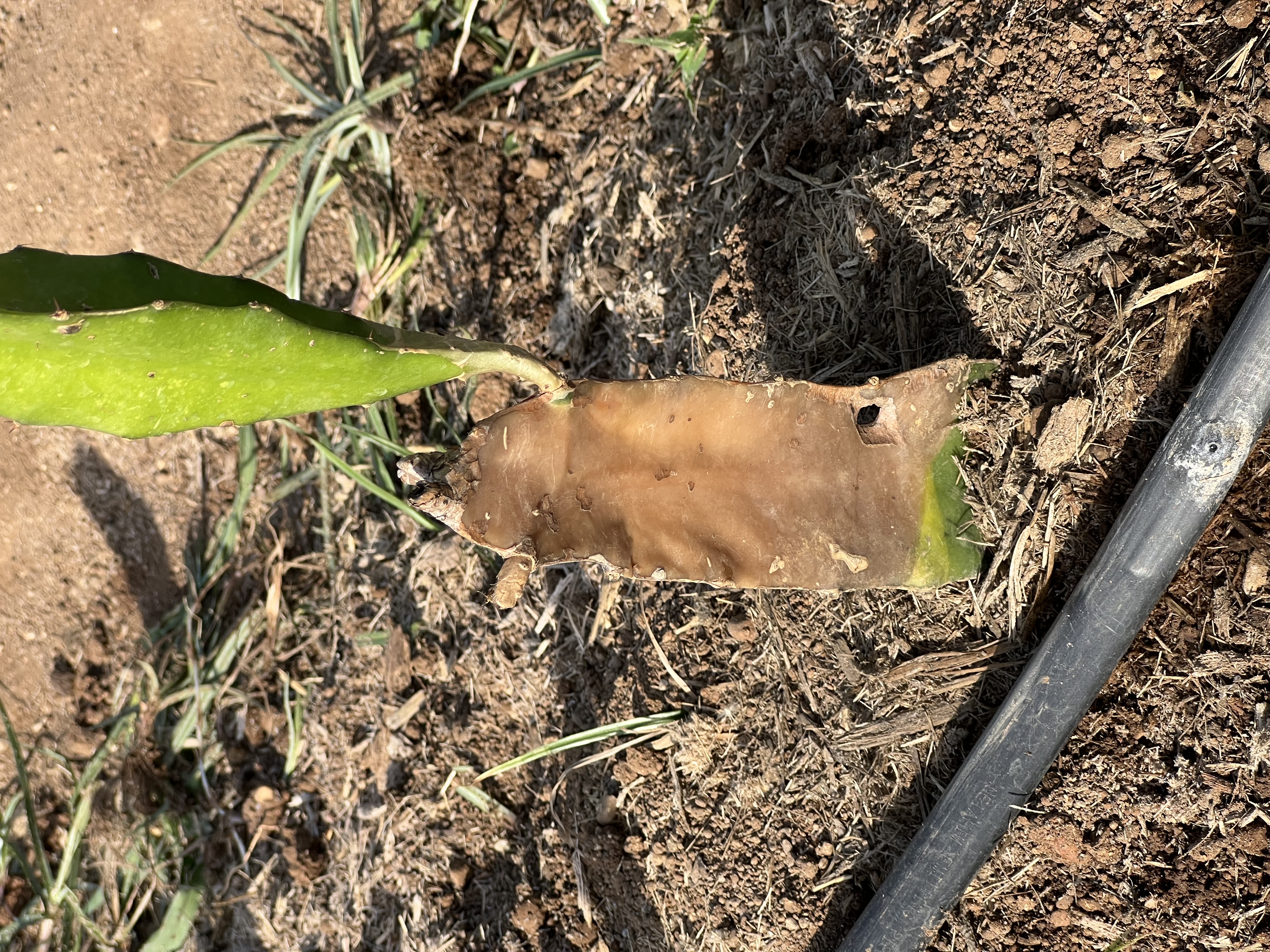
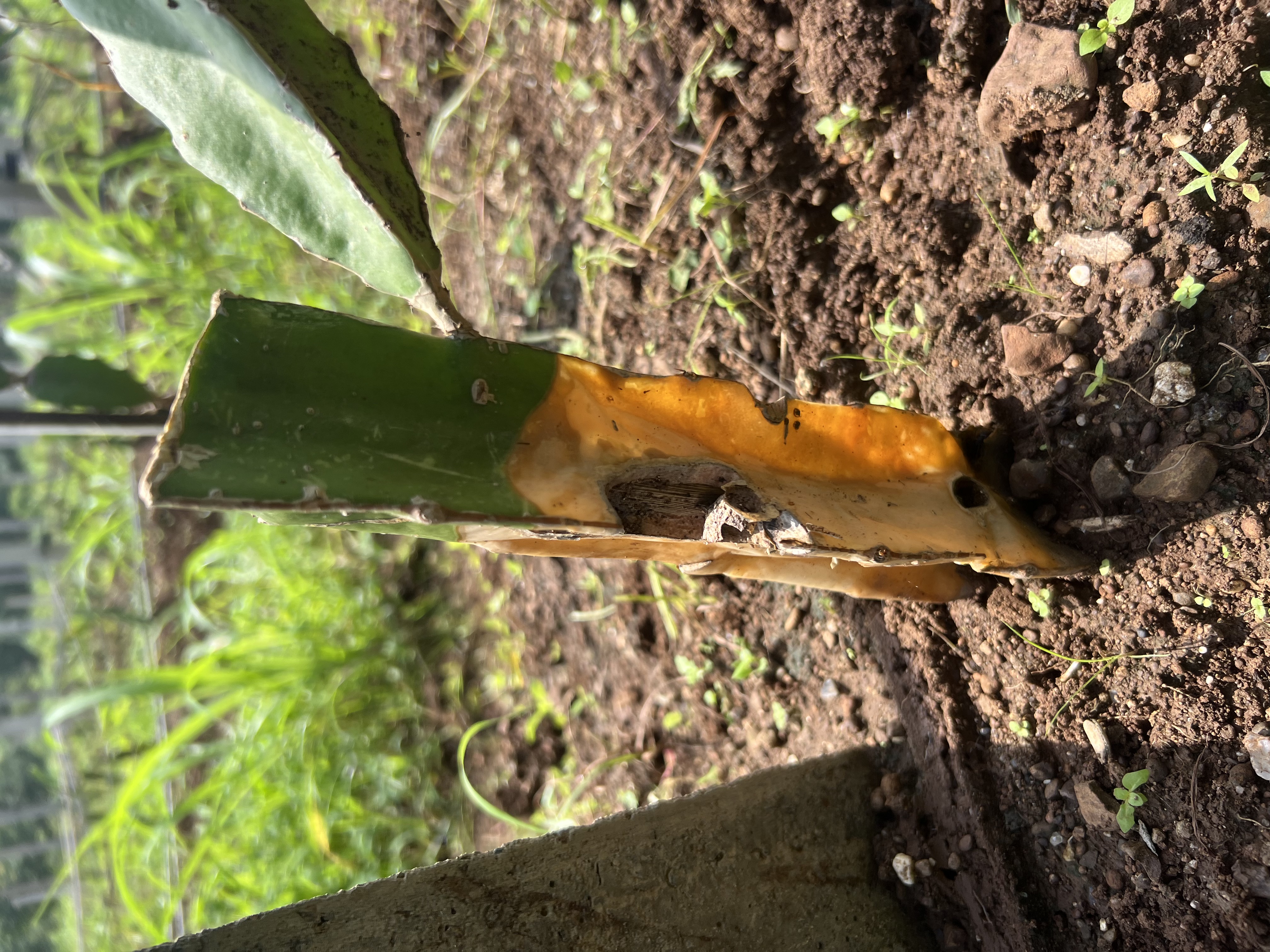
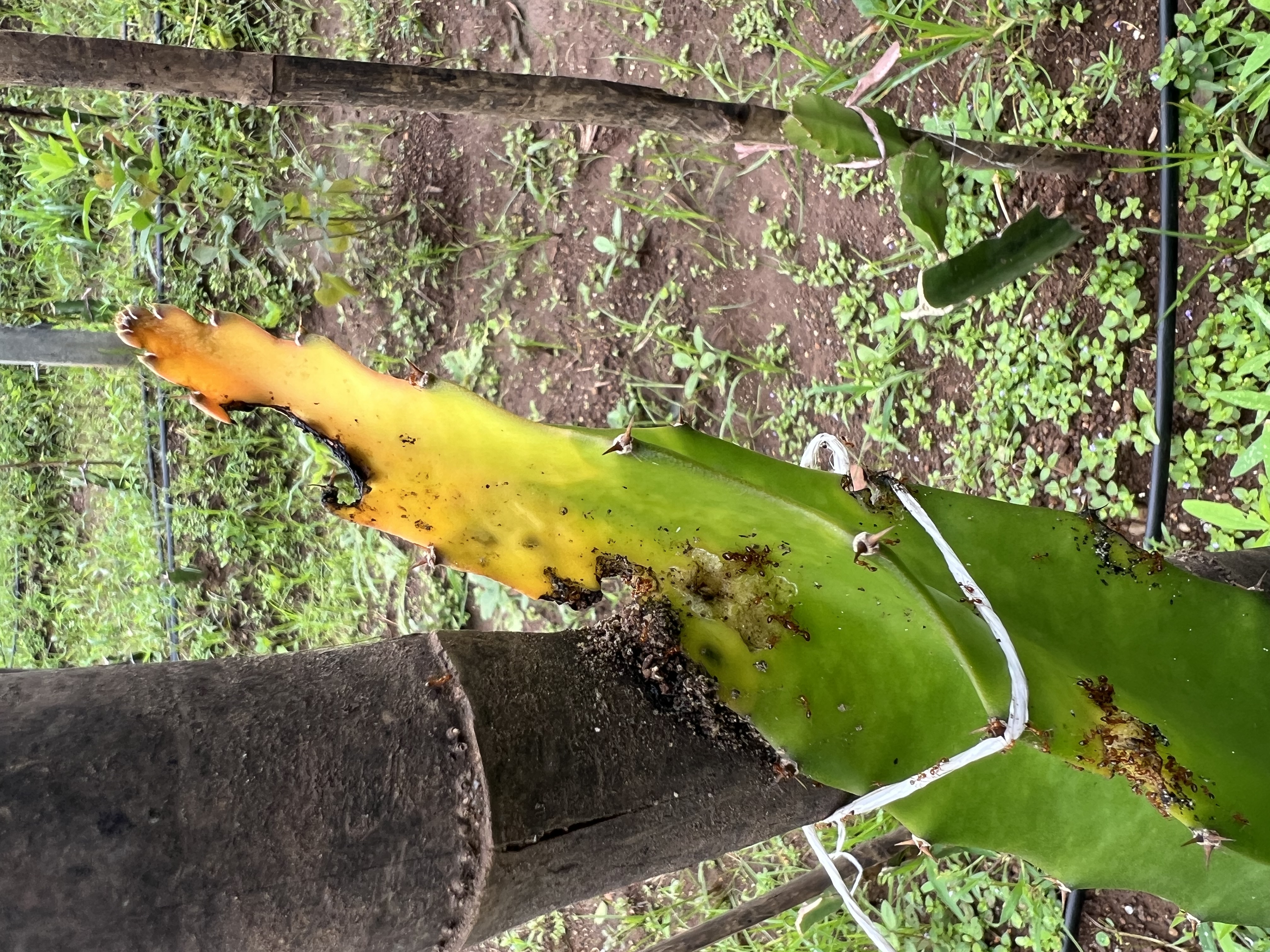
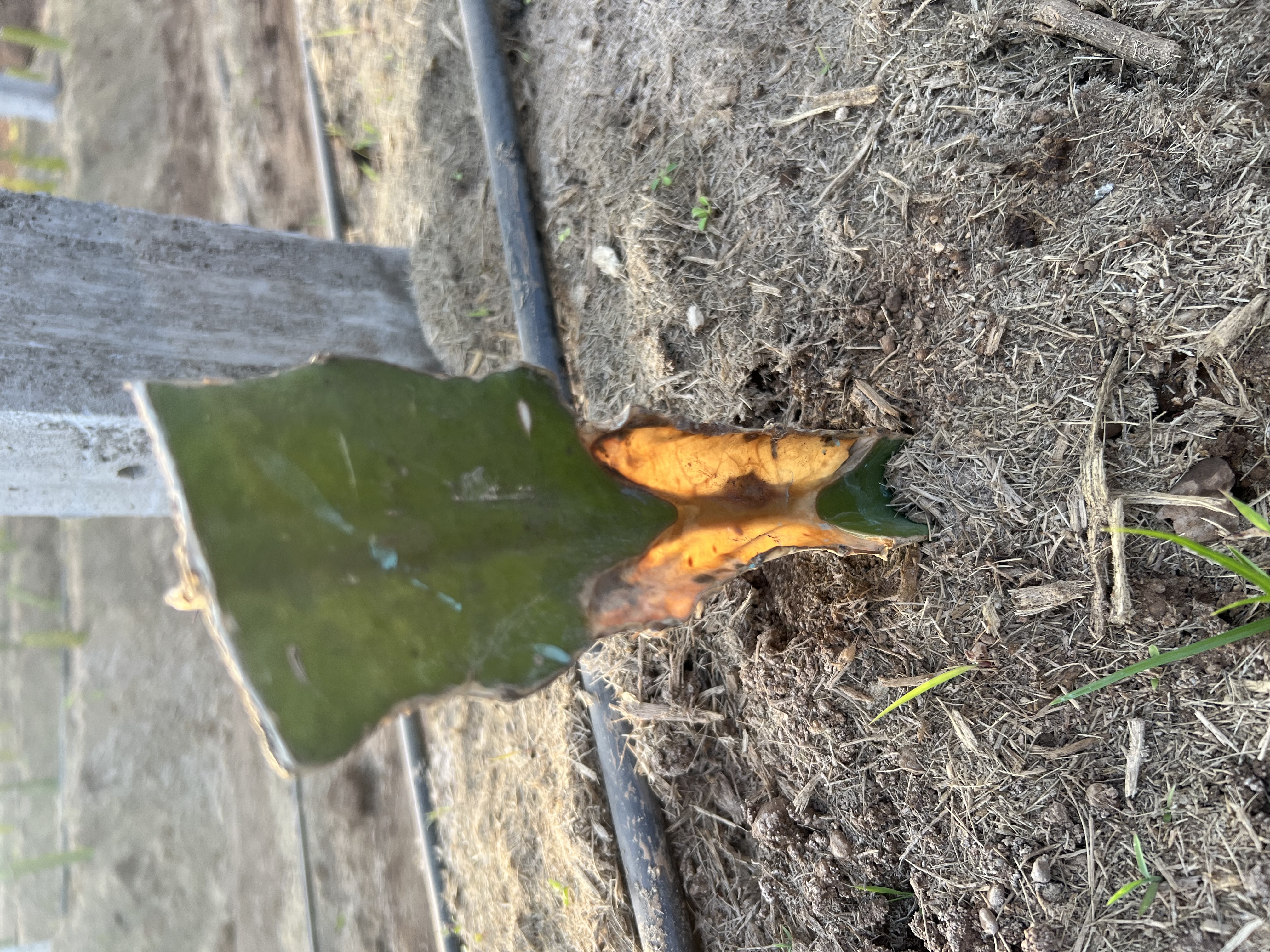
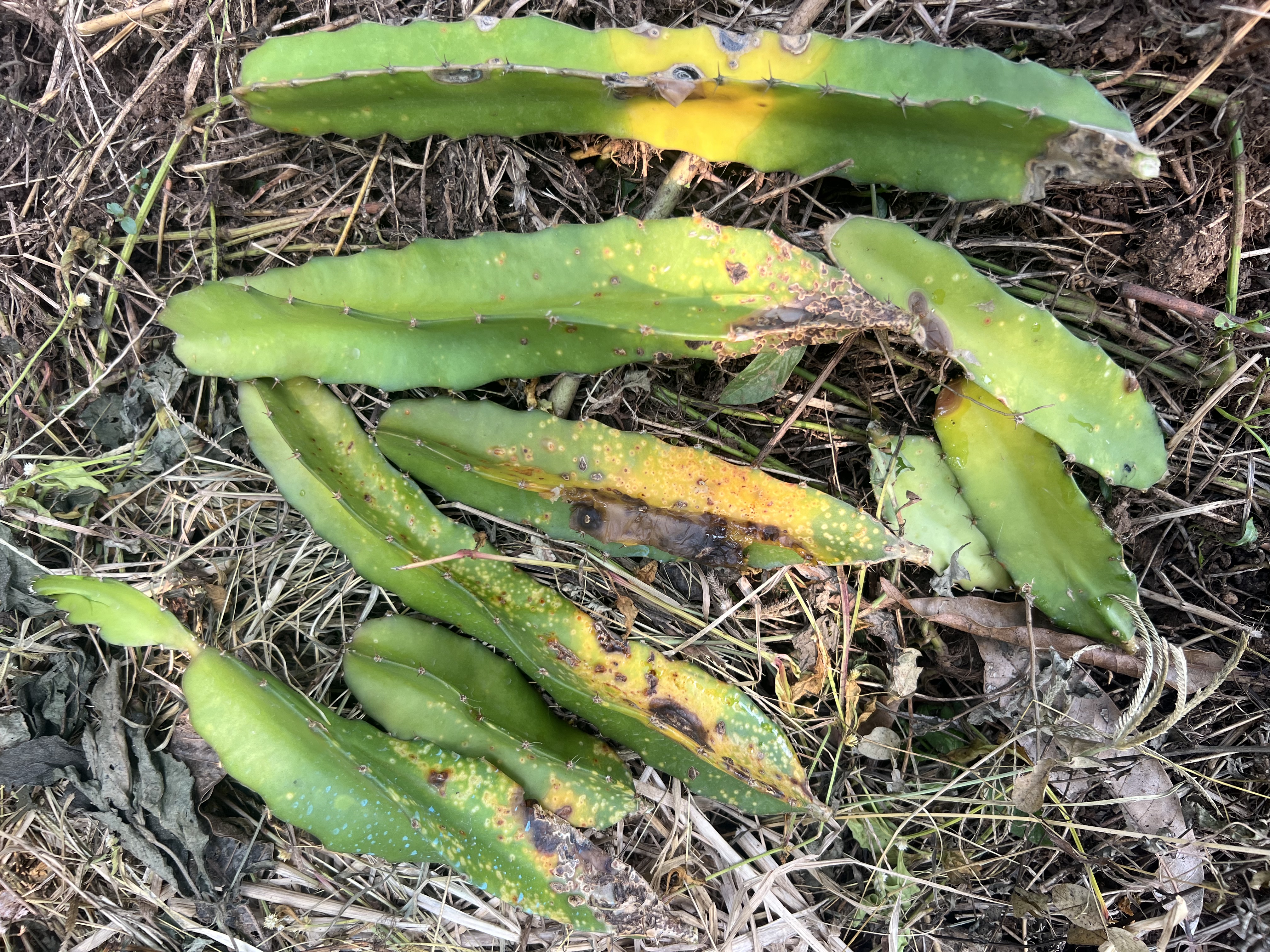
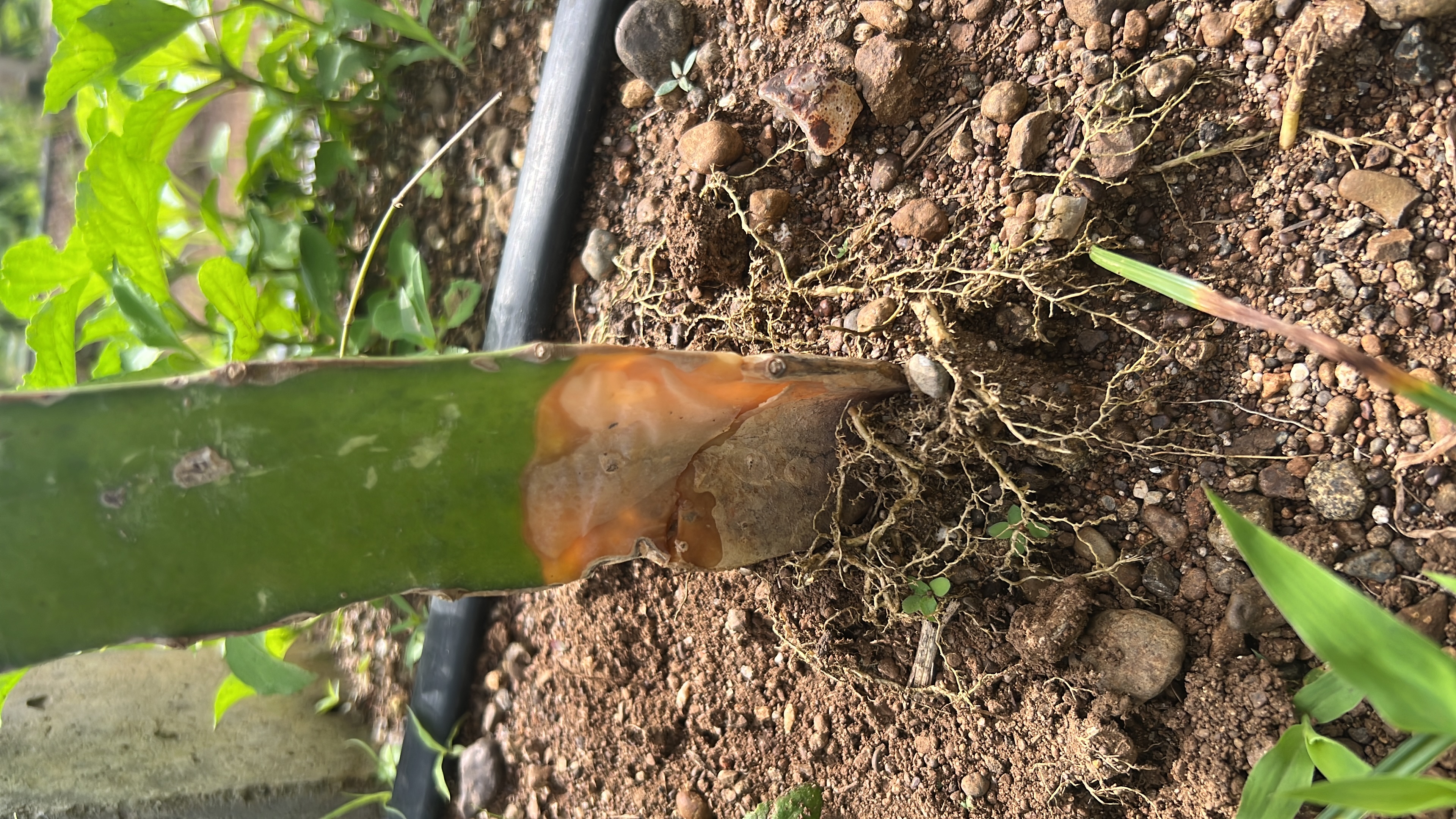
The first yellow cutting didn't worry me. Transplant stress is
common. Then another turned yellow. A few days later another. Soon
some began turning brown or developed soft patches near the base.
Others simply stopped changing. Instead of growing they seemed to be
standing still. Every visit became an inspection. Every cutting
became a question.
Like most first-time growers, my first instinct was to look outside
the farm for answers. I spoke to experienced farmers, watched more
videos, read more articles. Everyone wanted to help. The problem
wasn't the advice, it was that every piece came from a different
orchard. One blamed irrigation, another the planting material,
someone nutrient deficiency, another fungal infection. Some
recommended watering more; others said stop altogether. Every
conversation left another possible explanation. None gave certainty.
Looking back, I don't think anyone was wrong. They were simply
speaking from their own experience. Agriculture is local. What works
in one region, soil type, or climate doesn't always work somewhere
else. That was the first time I realised farming isn't about
collecting answers. It's about learning which questions to ask.
At the time I was still thinking like someone trying to grow plants.
I hadn't yet started thinking like someone trying to understand
them. There's a difference. One follows instructions. The other
observes. That distinction would eventually change how I approached
every decision.
One of my biggest mistakes was with irrigation. Our sandy soil dried
at the surface quickly after watering, so I assumed the plants
needed more and irrigated every day through the drip system. It
seemed logical for young plants in hot weather. Only later did I
realise I was solving the wrong problem. Most of the unrooted
cuttings hadn't even developed a functional root system yet. I was
watering the soil around them, but they weren't in a position to use
that water effectively. What they needed first wasn't more water
they needed time to develop roots. By keeping the soil consistently
moist I had unknowingly created favourable conditions for fungal
pathogens while slowing the very establishment process I was trying
to encourage. That lesson cost me dearly. Today I follow a much
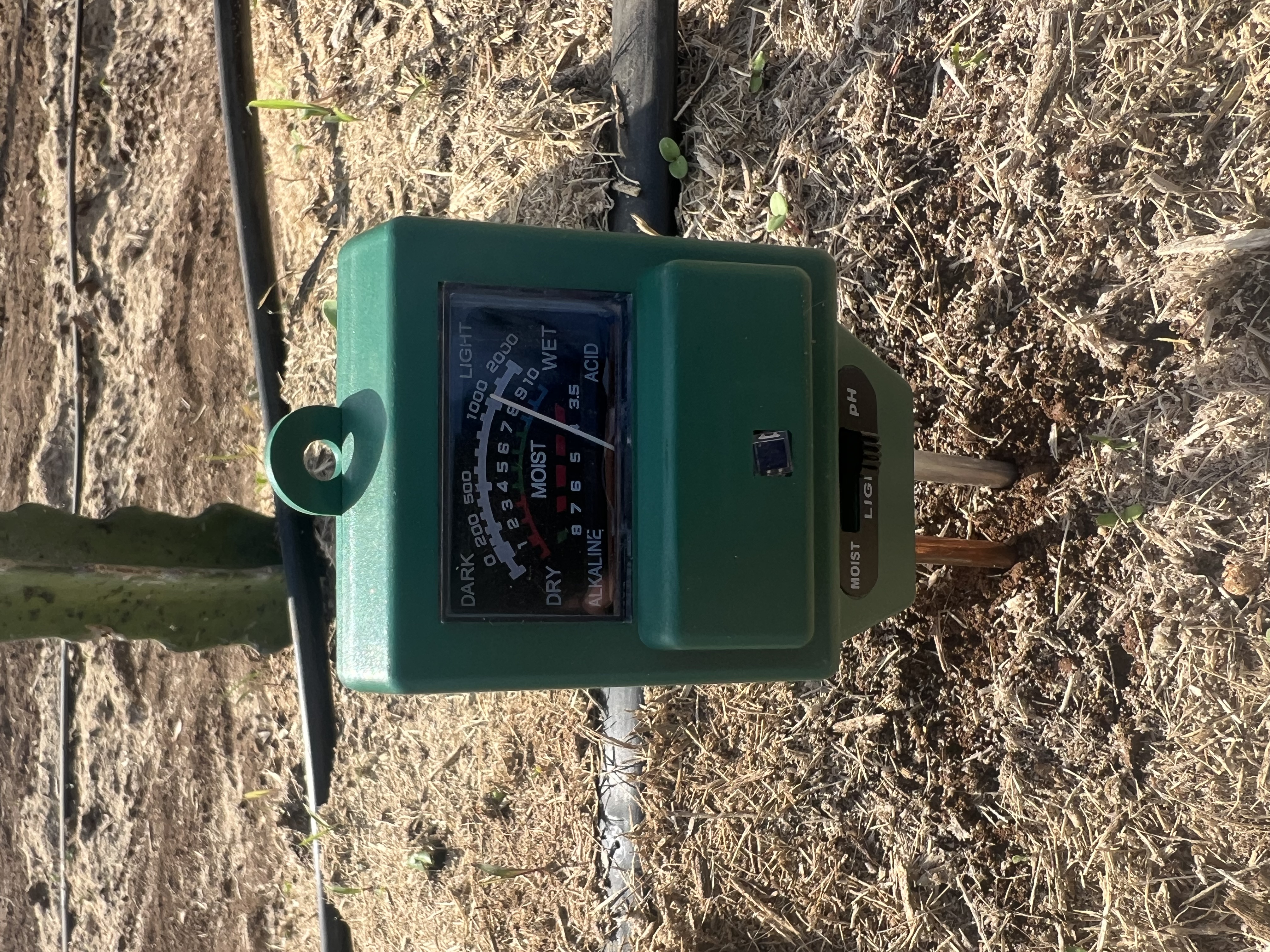
simpler approach. I don't water because the calendar says it's time.
I water when the top inch of soil feels dry. That small change has
made a remarkable difference.
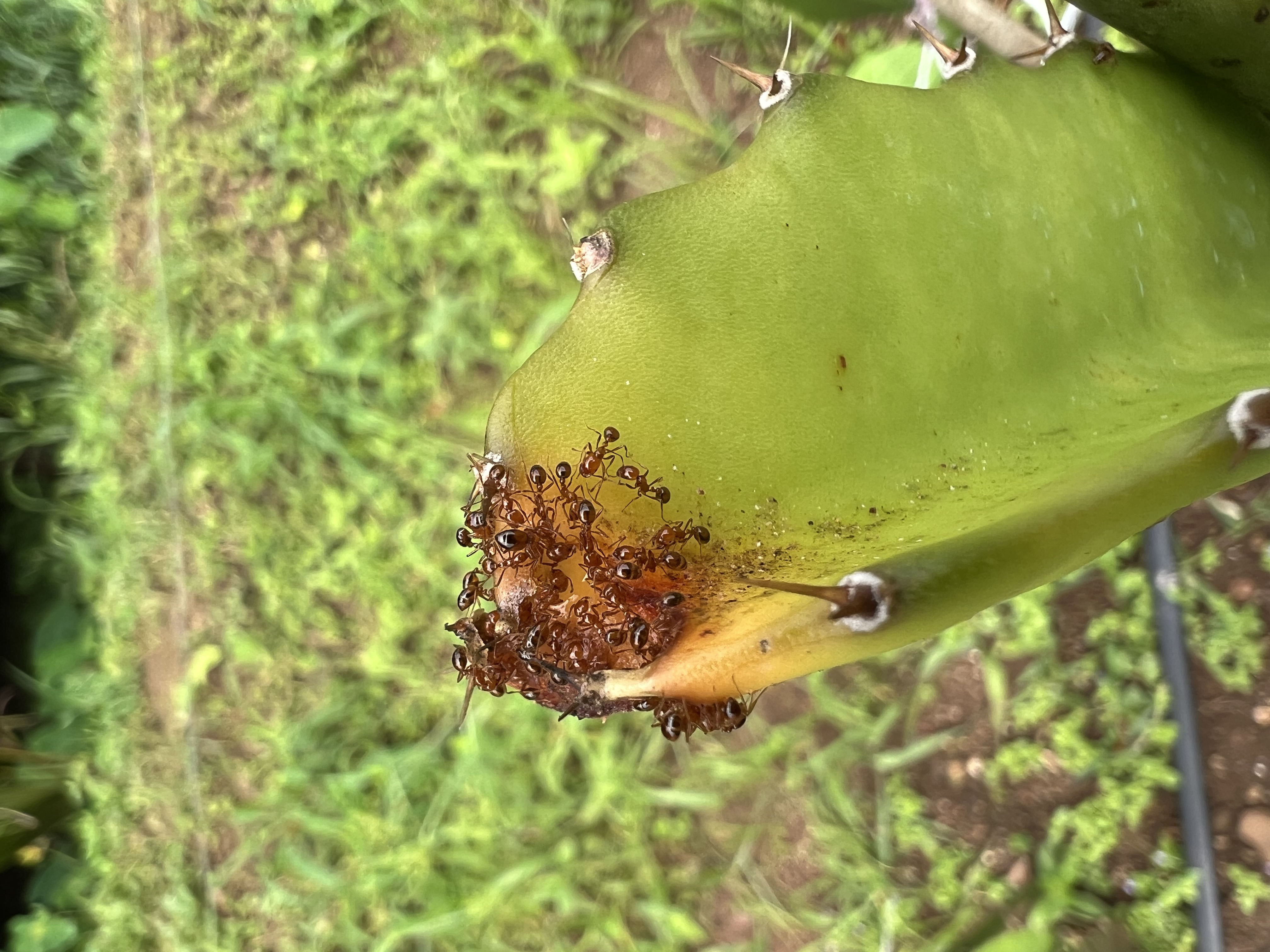
Around the same time termites appeared near some plants. I
immediately assumed they were responsible for the damage. Only later
did I understand they weren't the primary issue. The combination of
organic mulch, warm temperatures, and moisture had simply created
favourable conditions for them. They were part of the environment,
not the reason my plants were declining. The first problem you
notice isn't always the real problem.
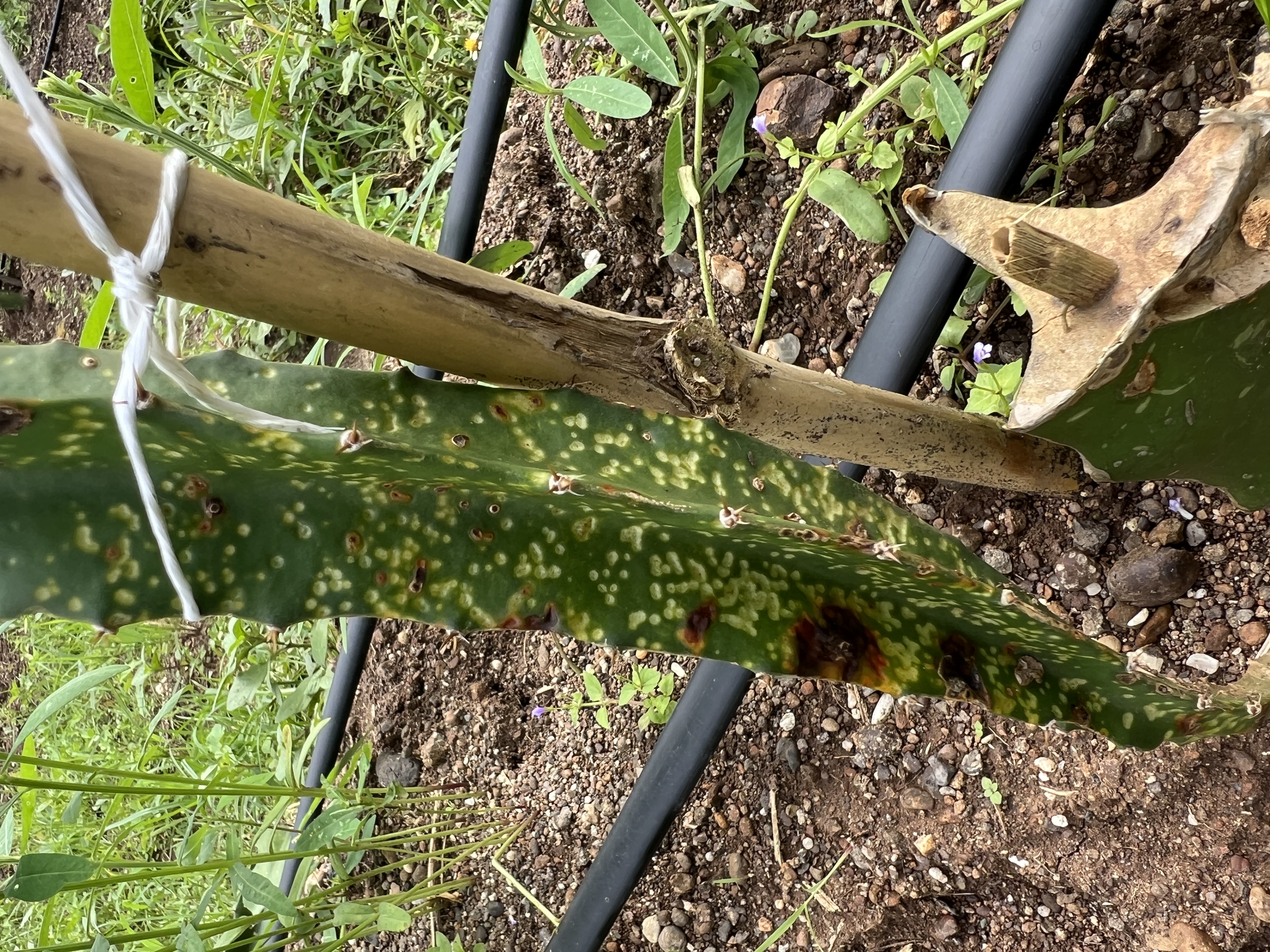
As weeks passed, fungal diseases became my biggest challenge. Root
rot appeared first, then stem infections, eventually canker. One by
one, plants that had looked perfectly healthy only days earlier
began declining. At that stage I wasn't thinking about yield or
flowering or even growth. I was simply trying to keep the remaining
plants alive. That became the goal. Survive today, learn enough to
improve tomorrow.
There were days I questioned whether I had made the right decision.
I won't pretend otherwise. I was angry at times, frustrated more
often than I'd like to admit. There were evenings when I genuinely
wondered whether I had taken on something far beyond my experience.
For a while I even stopped enjoying my visits to the orchard. Every
walk seemed to reveal another unhealthy plant, another problem,
another decision. It was mentally exhausting. The financial loss was
significant. The emotional cost was harder to measure. Losing over
thirteen hundred plants wasn't just disappointing, it forced me to
confront something every first-generation grower eventually faces.
Experience cannot be borrowed. Some lessons have to be lived.
Looking back, I don't think the biggest mistake was buying unrooted
cuttings, or watering too frequently, or planting a little too deep.
Those certainly contributed. But the biggest mistake was believing
that growing dragon fruit would be straightforward because it looked
straightforward online. Social media is excellent at showing
harvests. It rarely shows the months spent trying to keep an orchard
alive. Those months exist; they're simply less photogenic. If this
article encourages even one new grower to prepare for that phase
instead of being surprised by it, then sharing these failures will
have been worthwhile. Because the hardest part of growing dragon
fruit isn't producing fruit it's successfully establishing the
orchard that will eventually produce it.
If someone were to ask me today what finally saved the orchard, they
might expect the name of a fungicide, a fertiliser, or a particular
technique. The truth is much less exciting. There wasn't one
solution, one breakthrough, or one day when everything suddenly
started working. The orchard improved because my thinking changed. I
spent the first few months searching for products. The months that
followed were spent searching for understanding. That change made
all the difference.
One of the first realisations was that I had been paying far more
attention to what was happening above the soil than below it. Like
many beginners, I judged plant health by its shoots: was it growing,
how tall, how many branches? But dragon fruit doesn't think that
way. Before it worries about producing new growth, it invests its
energy in developing roots. Without a healthy root system,
everything above ground is simply trying to survive. That
understanding completely changed how I observed the orchard. Instead
of asking why a shoot wasn't growing, I started asking what might be
happening beneath the soil. Was the root zone staying wet too long?
Was the plant struggling to establish? Was disease preventing root
development? For the first time I felt like I was looking at the
orchard instead of just looking at the plants.
The difference between my two sources of planting material slowly
became impossible to ignore. The 1,500 rooted plants from Deccan
Exotics progressed steadily, losses around five to seven percent.
Most established well, climbed their supports, and eventually began
flowering. The story was very different for many of the unrooted
cuttings. Out of the 2,100 sourced locally, I lost nearly half. Many
never established healthy roots. Some survived but remained in the
growth phase, reaching only around three feet when they should have
been much further ahead. A few eventually caught up and began
flowering, but the difference between the two groups remained clear
throughout the first year. I don't share these numbers to criticize
one source or praise another. The experience taught me to be fair.
Some losses were undoubtedly because of my own inexperience. A
healthy cutting can still fail if managed poorly, and an average
cutting can often perform well when given the right conditions. Good
planting material gives you a better starting point. It doesn't
replace good management.
Disease management thinking changed too. In the beginning every new
symptom sent me searching for another spray. Over time I realised
spraying was only one part of the solution. Managing disease starts
long before you open a bottle. It starts with reducing the
conditions that allow disease to spread in the first place improving
airflow through regular pruning, removing infected stems before they
become a source of infection for healthy plants, destroying severely
infected material instead of leaving it in the field, and being more
disciplined about sanitation. Most importantly, it meant changing
how I irrigated. The goal was no longer to keep the soil wet. The
goal was to keep the roots healthy. That shift made every other
decision easier.
During mid winter, as disease pressure reduced, I gradually stopped
routine fungicidal foliar sprays. I wanted to observe how the plants
responded rather than continue spraying simply because it had become
part of the schedule. The results surprised me. Growth improved.
Canker became much easier to manage. The orchard appeared more
stable. This isn't a recommendation for everyone to stop spraying
during winter. Every orchard is different and disease pressure
depends on climate, humidity, and local conditions. It was simply
another reminder that every management decision should have a reason
behind it. Doing something because it worked once isn't the same as
understanding why it worked.
Around the same time I also began rethinking nutrition. From the
beginning my goal at Sunrise Acres had been to build healthy soil.
That philosophy hasn't changed. If anything, this experience
strengthened it. But it also made me more practical. When I planted
I relied almost entirely on organic inputs mudpress compost, PROM,
cow dung compost, neem cake, castor cake, seaweed extract, and
micronutrient foliar sprays. If I were starting again today I would
still use those inputs. But I would also integrate a carefully
planned amount of conventional fertilisers during the establishment
phase. That doesn't mean abandoning a soil-first approach. It means
recognising that young orchards have different nutritional demands
from mature ones. Today my long-term objective remains the same,
build healthy soil, encourage biological activity, and gradually
reduce dependence on chemical fertilisers over time. But I've
learned that transition should happen over years not overnight.
Healthy farming isn't about choosing sides. It's about choosing what
the orchard needs at that particular stage of its life.
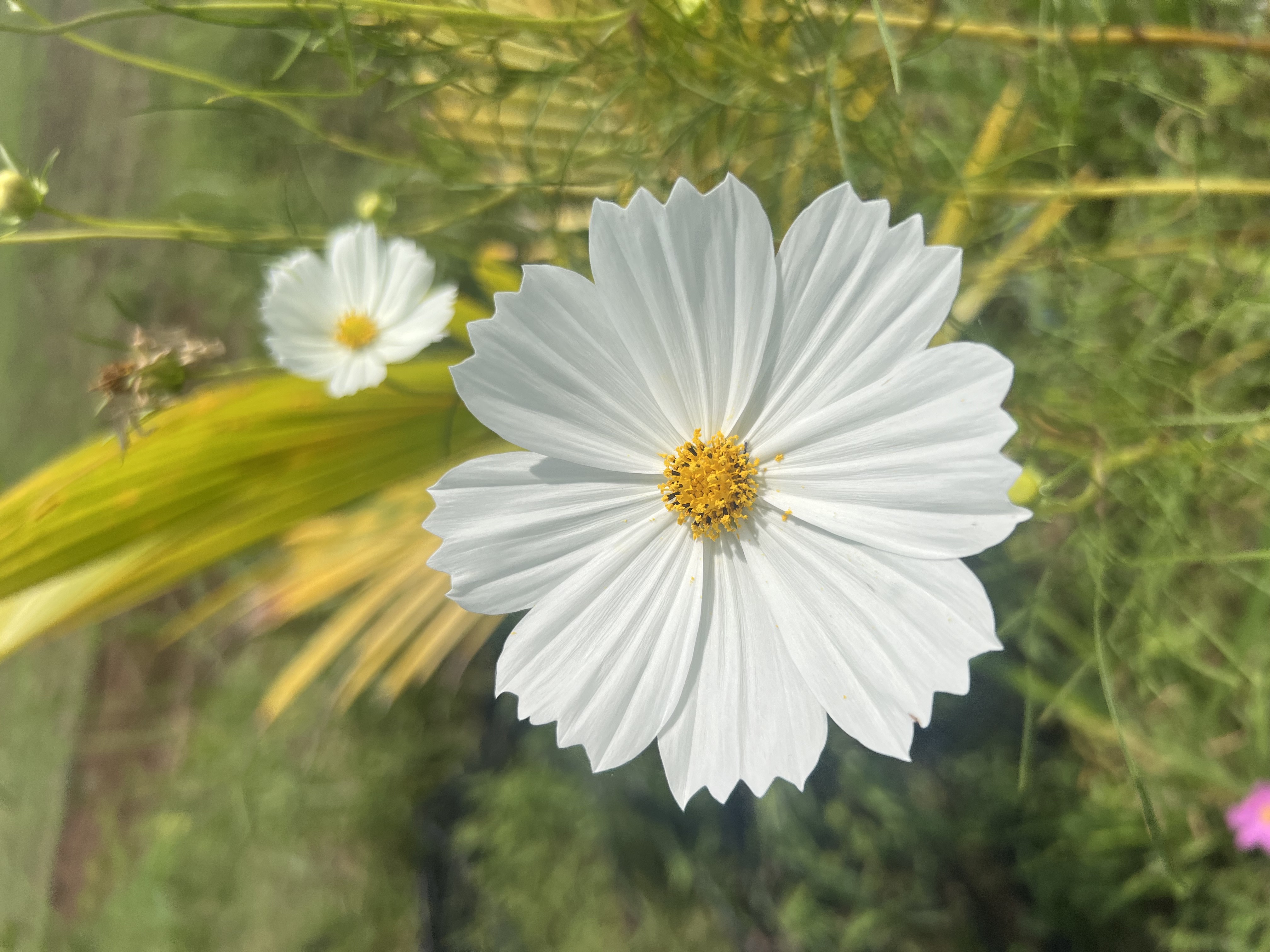
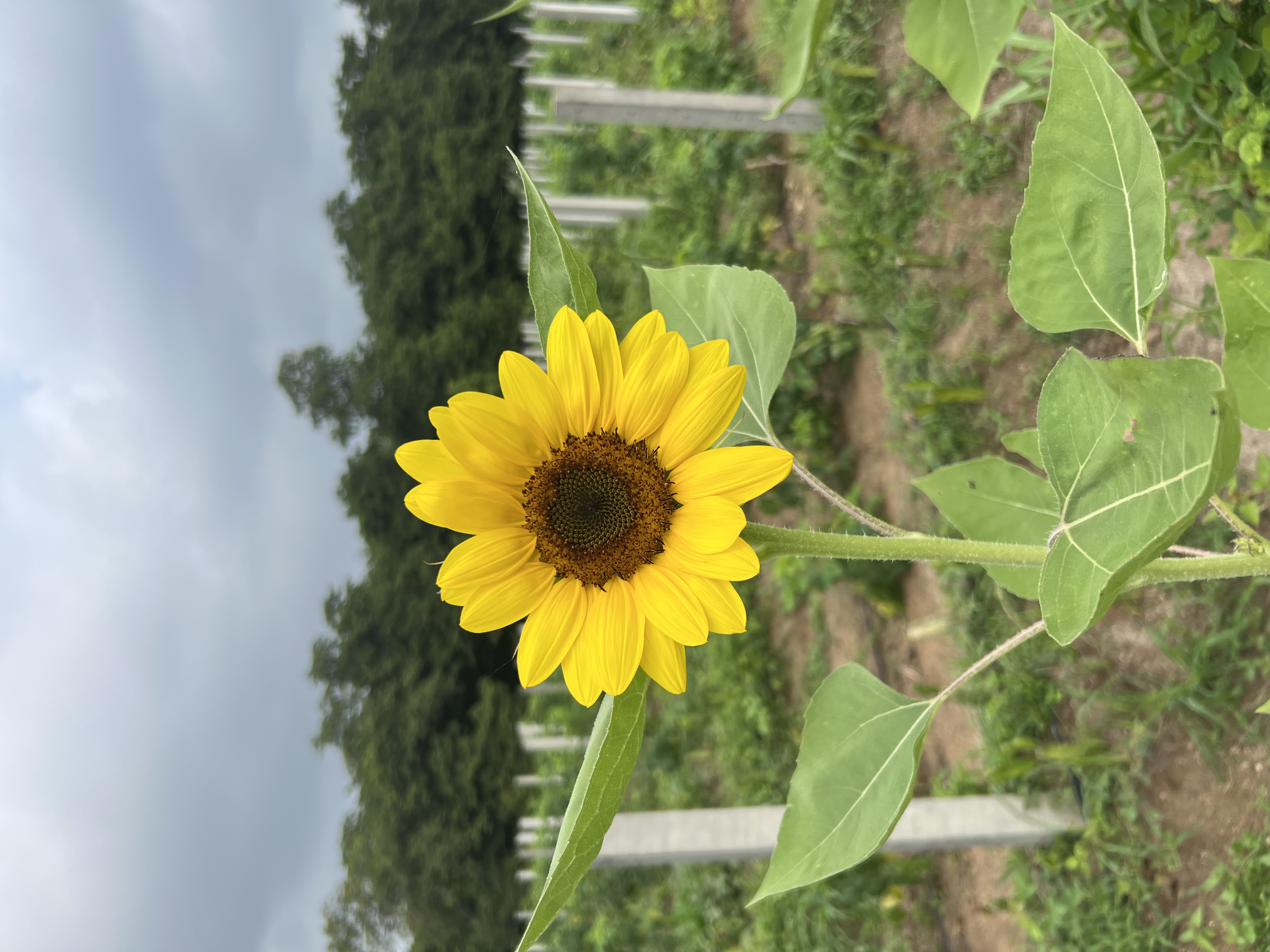
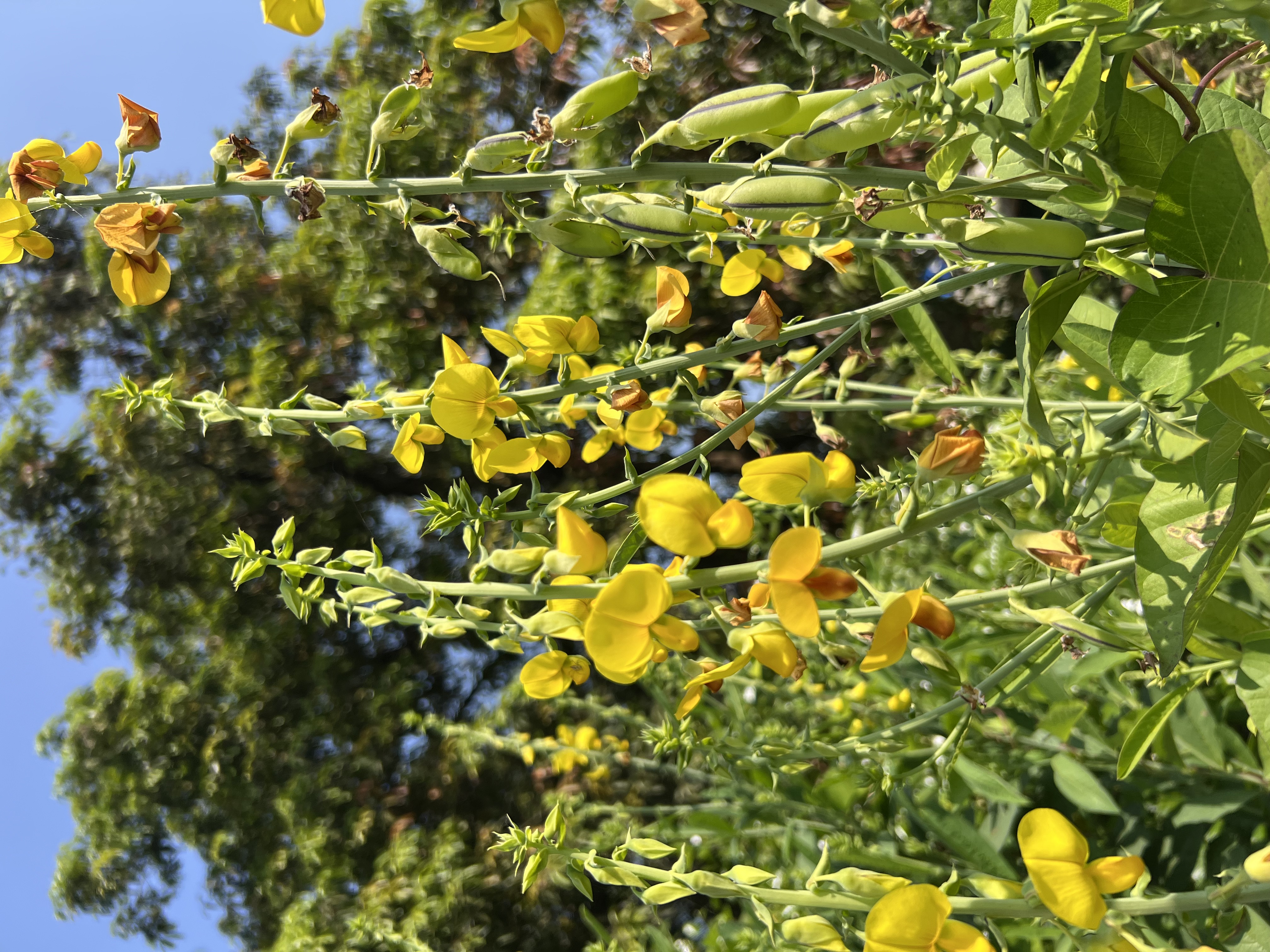
The orchard also changed how I thought about biodiversity. Before
planting dragon fruit I understood that bees were important. After
planting, I understood why. As months passed I noticed more
pollinators visiting the farm. Wildflowers attracted bees.
Intercrops such as cluster beans, okra, cowpea, and later eggplant
added diversity between the rows. Beneficial insects became more
common. Pest pressure appeared more balanced. I can't prove that
biodiversity alone reduced pests. Agriculture is rarely that simple.
But I can say with confidence that the farm feels healthier today
than it did a year ago. A farm isn't just a collection of crops.
It's an ecosystem. The healthier that ecosystem becomes, the more
resilient the farm becomes with it.
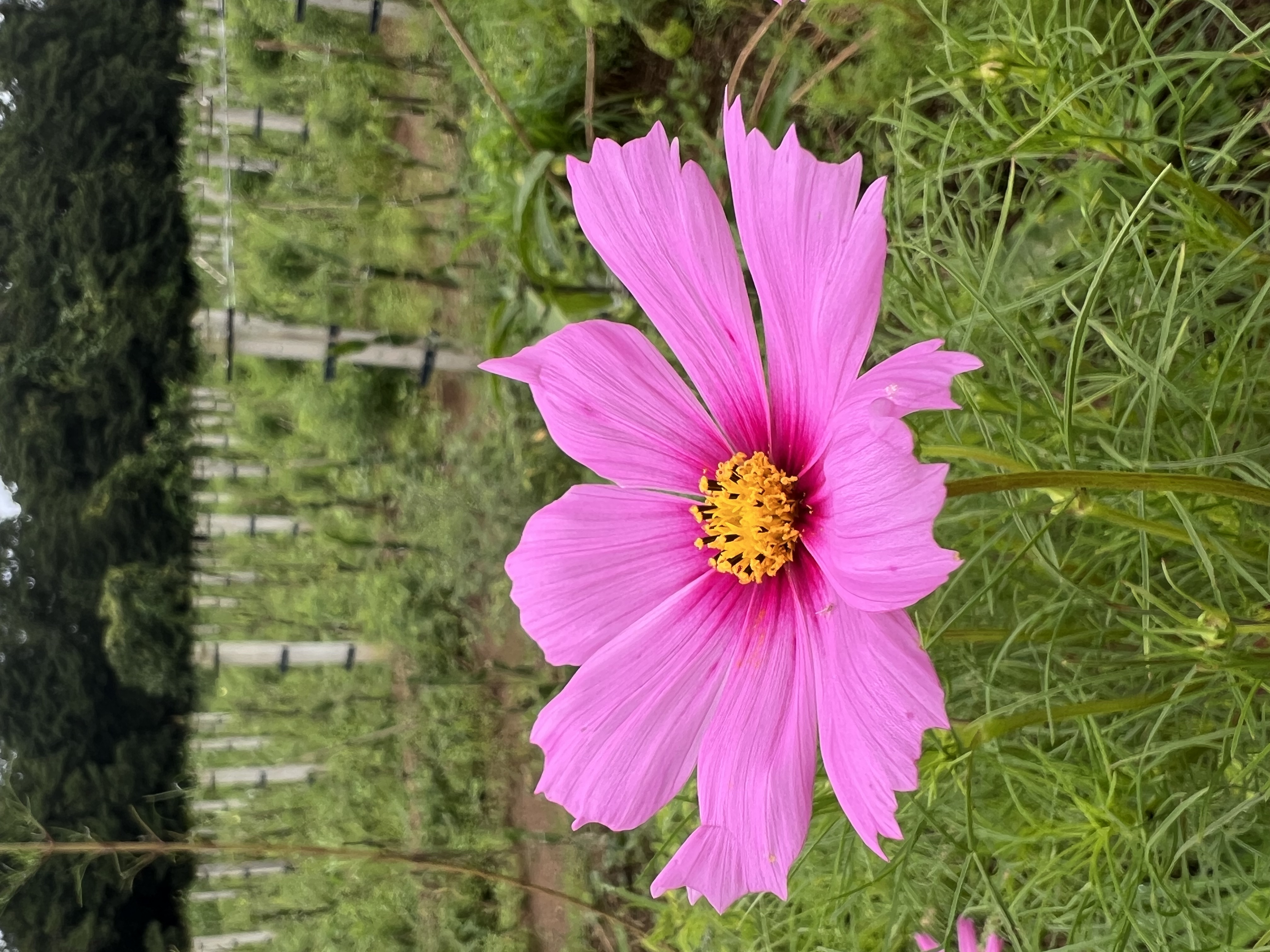
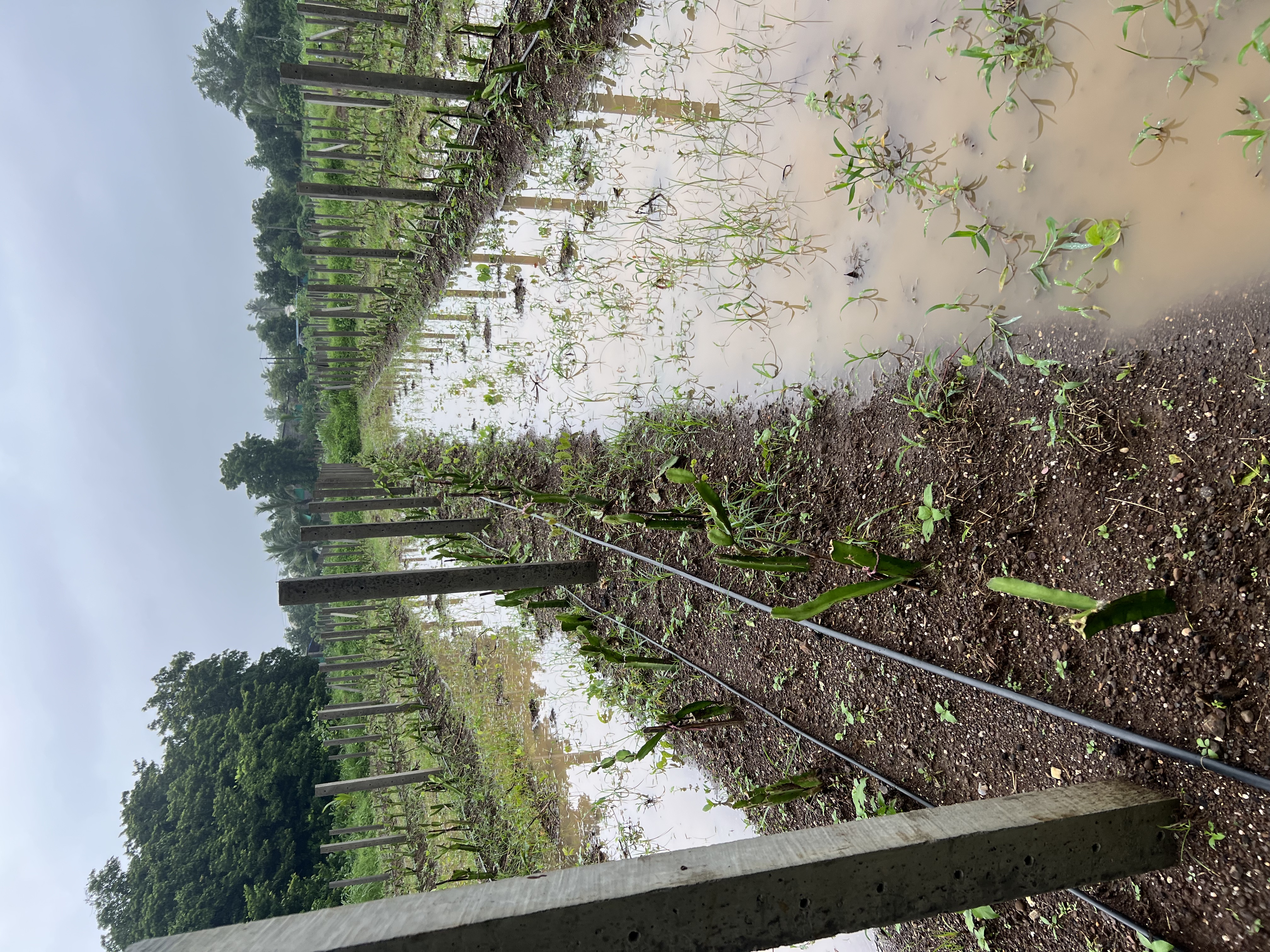
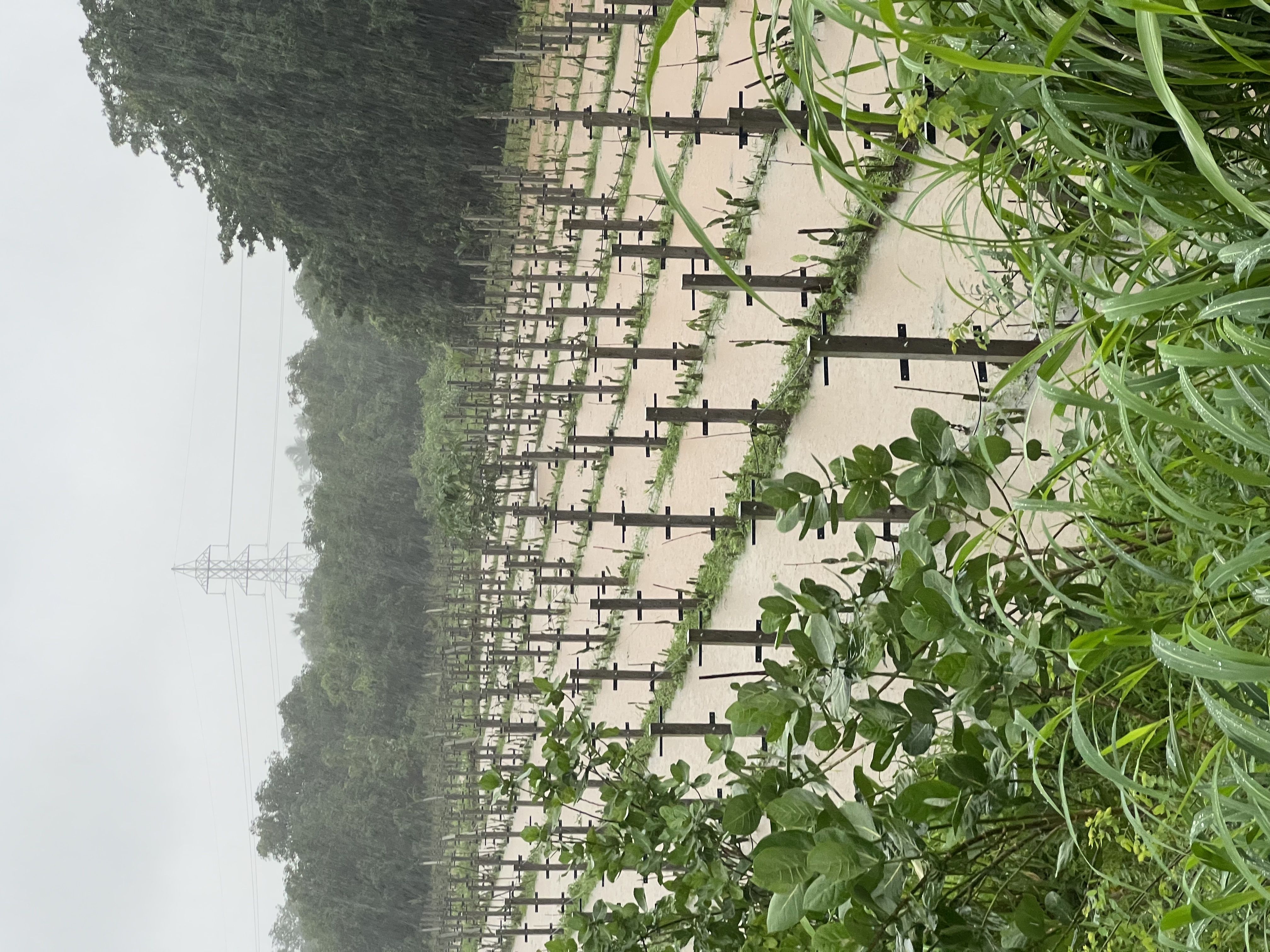
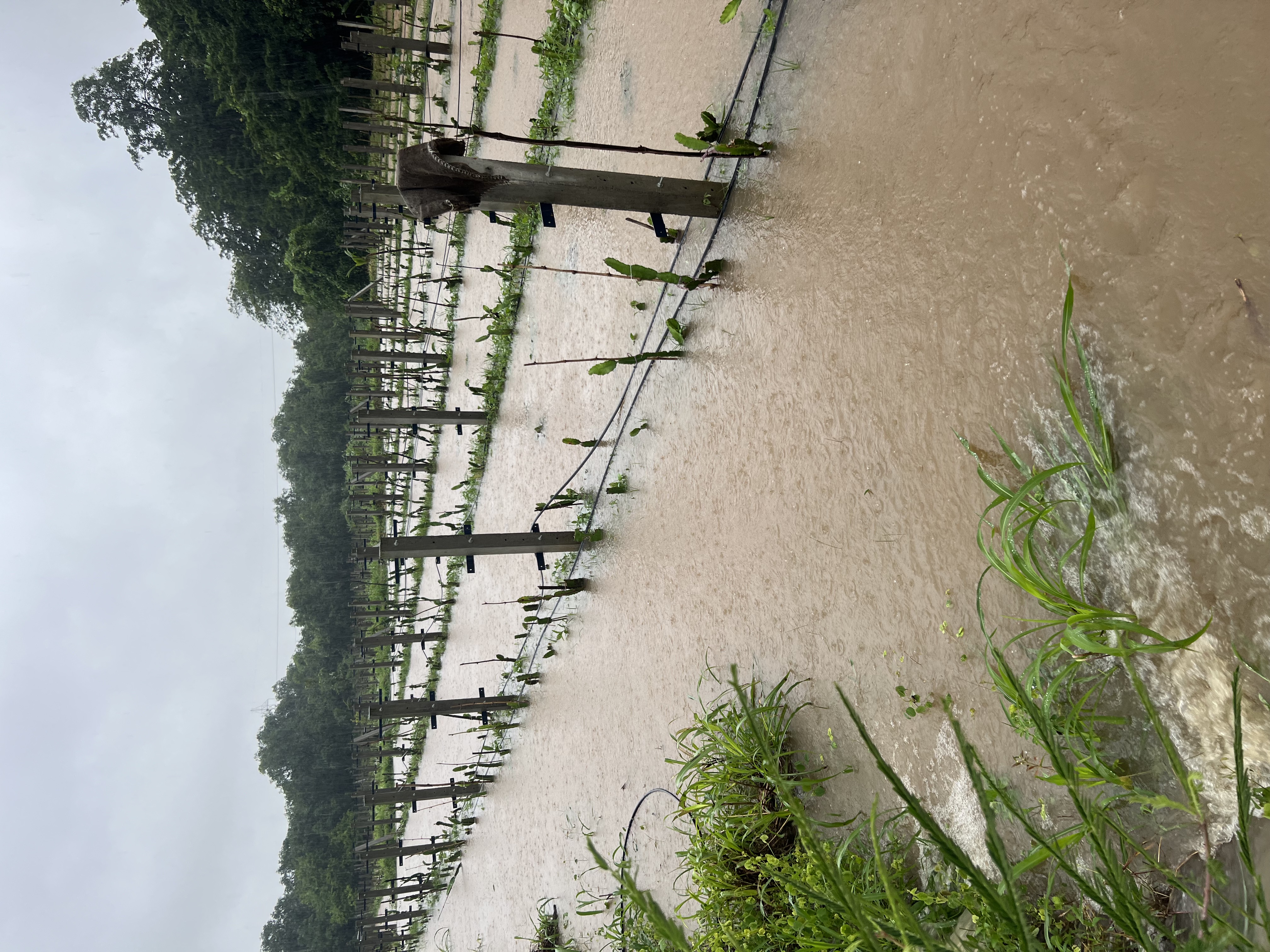
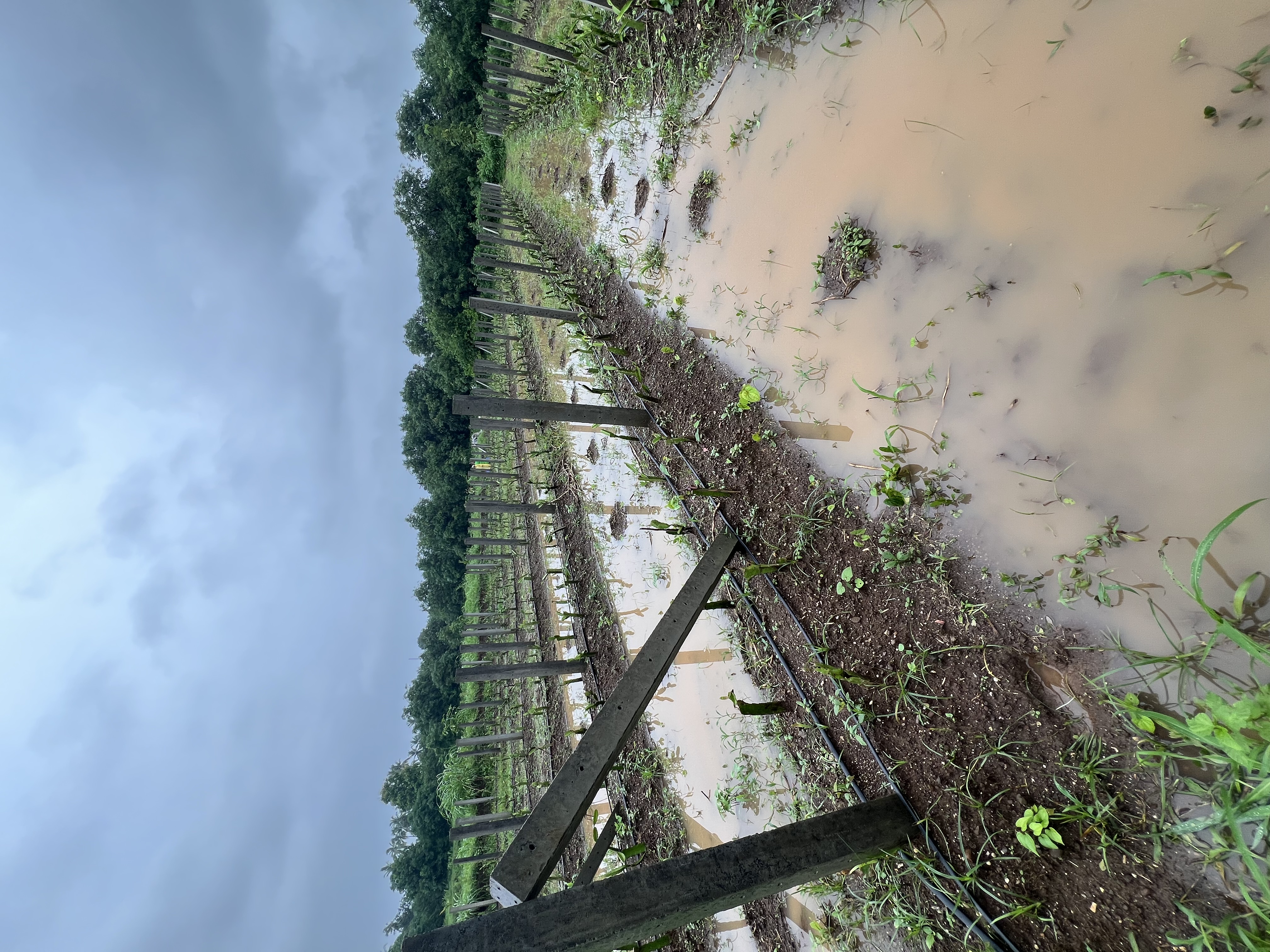
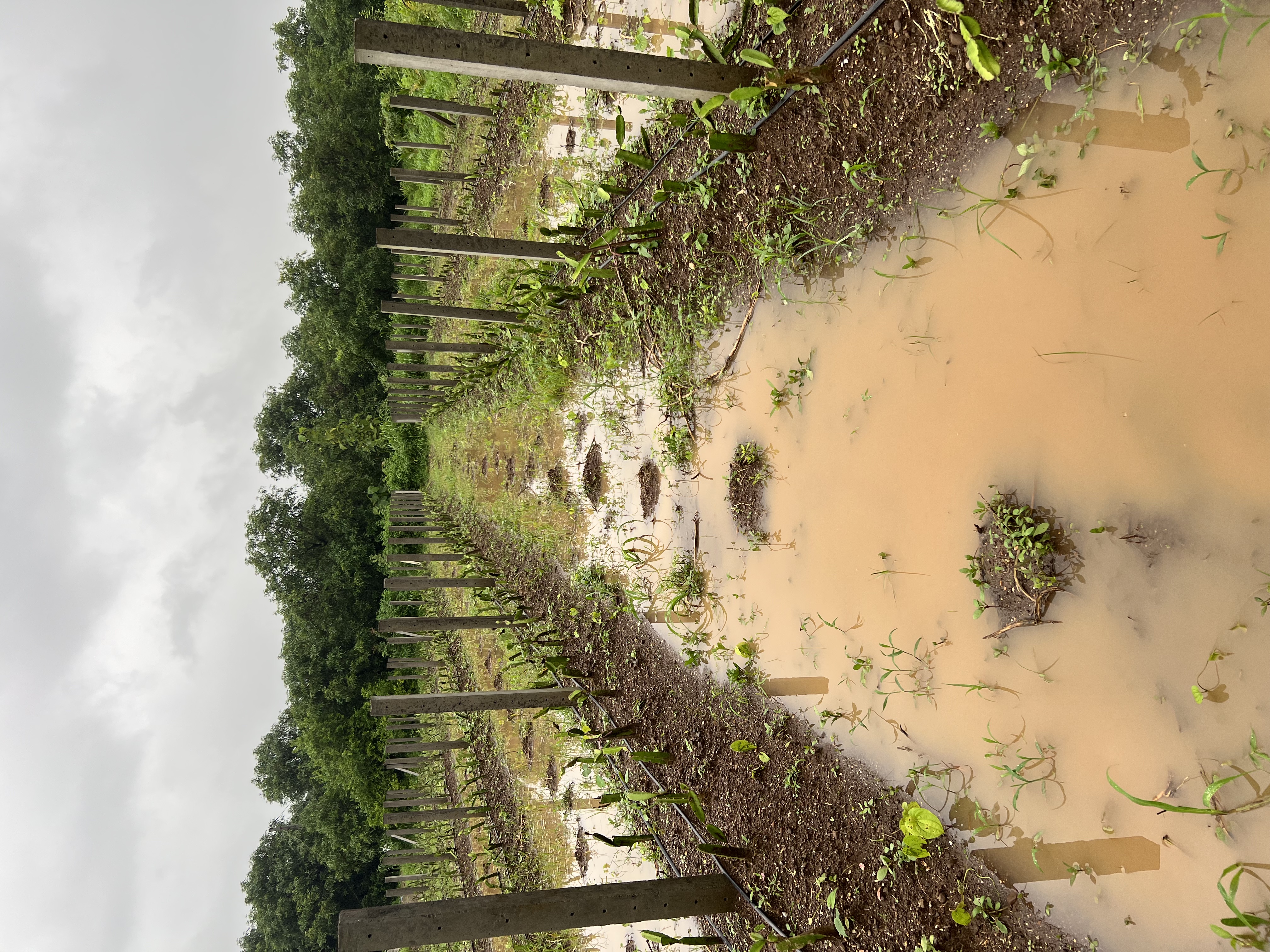
The monsoon reinforced that lesson. It lasted far longer than I
expected, nearly six months. The rain tested every decision made
during establishment. At one point the field flooded because of my
own negligence. Thankfully we identified the issue quickly and
corrected it before it caused more serious damage. That experience
reminded me that farming rarely punishes you for one big mistake.
More often it exposes the small ones you thought wouldn't matter.
Good drainage, proper field preparation, and regular observation
don't seem particularly important when everything is going well.
They become essential when the weather decides otherwise.
Somewhere during that first year I stopped trying to become good at
growing dragon fruit. Instead I started trying to become good at
observing it. Looking back, that may have been the most important
change of all. Because farming isn't really about growing plants.
It's about creating the conditions where plants can grow themselves.
Once I understood that, many decisions that had once seemed
complicated suddenly became much simpler.
By the time summer 2026 arrived, the orchard looked very different
from the one I had planted fifteen months earlier. There were still
gaps where plants hadn't survived. Some poles carried vigorous vines
that had already reached the top of the structure. Others still had
plants trying to catch up. The orchard wasn't perfect. But it was
alive. That mattered.
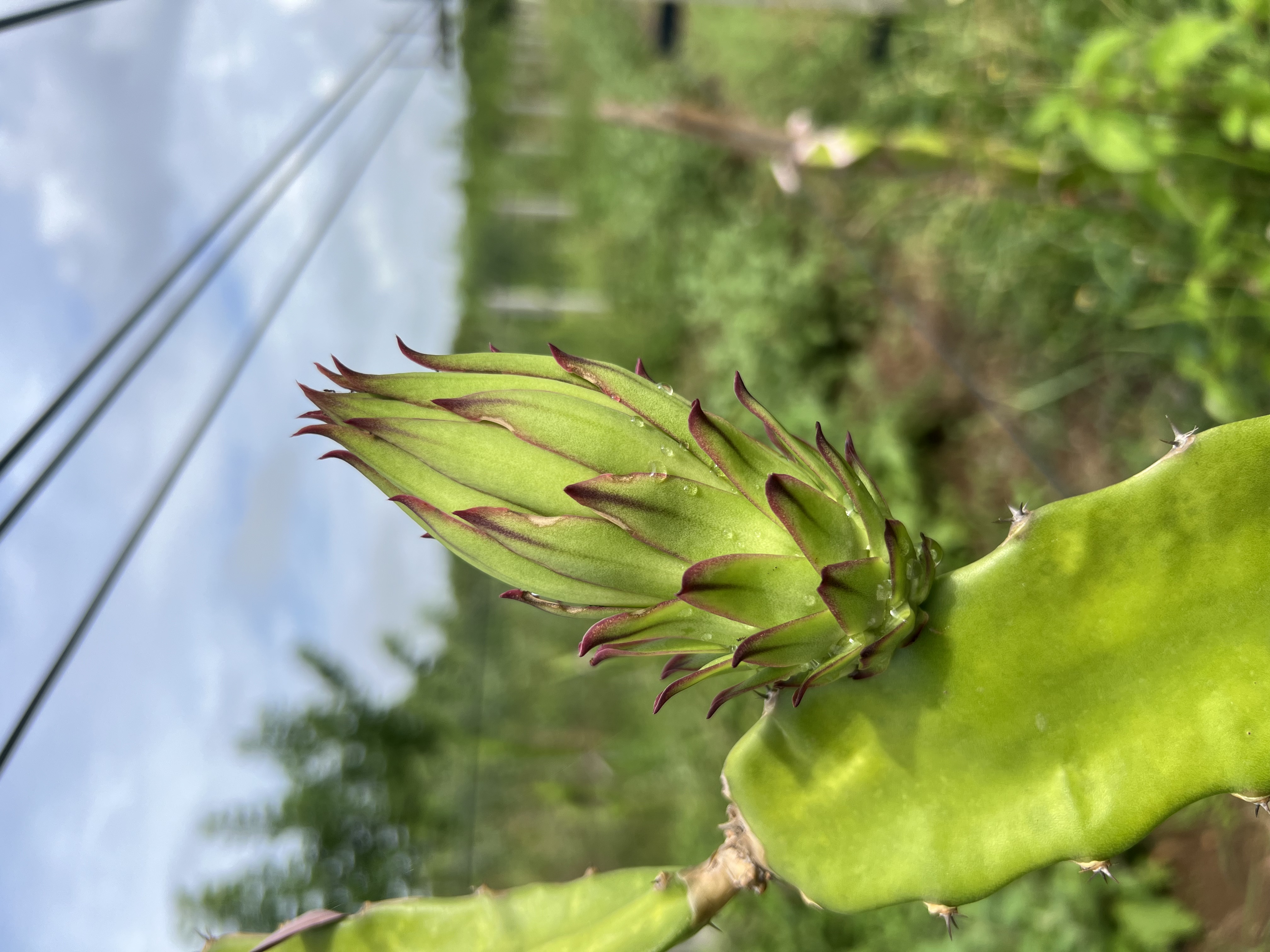
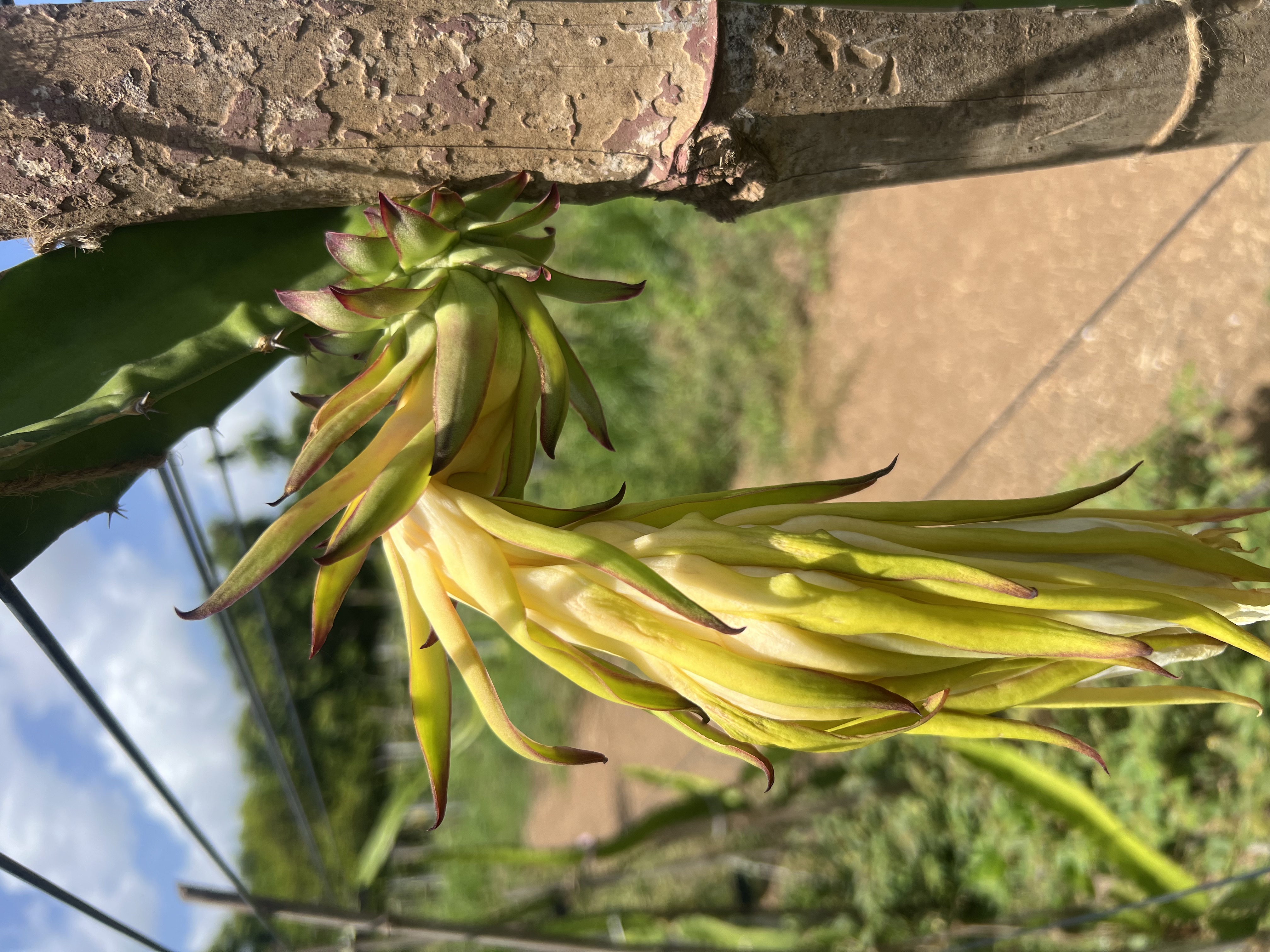
First dragonfruit flower of 2025.
One evening, on 30 May 2026, I was walking through the rows as I
usually did, not looking for anything in particular, just observing.
By then that had become part of my routine. I no longer walked
through expecting perfection. I walked through looking for change.
That's when I noticed it, a flower. Just one. To anyone else it
probably wouldn't have meant very much. To me it represented
everything the previous fifteen months had demanded the planning,
the excitement, the mistakes, the frustration, the uncertainty, the
long days spent trying to understand why plants were failing instead
of growing, the evenings when I questioned whether I had taken on
something beyond my experience. All of it suddenly felt worthwhile.
Not because one flower guarantees success (it doesn't), but because
that flower quietly answered a question I had been asking myself for
more than a year: Was the orchard finally moving forward? For the
first time, the answer felt like yes.
It's interesting how our definition of success changes. When I first
decided to plant dragon fruit, I imagined success in terms of
harvests, boxes of fruit, higher yields, a diversified farm. The
first year changed that completely. Success became much smaller. A
cutting that rooted successfully, a disease that stopped spreading,
healthy new growth, an irrigation decision that proved correct. By
the time that first flower appeared, I wasn't thinking about the
fruit it might produce. I was simply grateful that the plant had
reached that stage at all. The orchard had quietly taught me to
celebrate progress instead of perfection.
As flowering gradually increased, another pattern became clear. Most
of the plants sourced from Deccan Exotics had entered their
reproductive stage. Many were flowering consistently and the first
fruits had already begun to set. The difference between rooted and
unrooted planting material was now impossible to ignore. The locally
sourced plants told a different story. The survivors were healthy,
but many remained in the vegetative stage. Some had finally begun
flowering while others were still around 3ft tall and
focusing on growth. Ideally many of those plants should have reached
flowering by this stage. That comparison reinforced one of the
biggest lessons from my first year: quality planting material
doesn't eliminate risk, but it gives you a significantly better
starting point.
People often ask whether I consider the first year a success or a
failure. It's a difficult question. If success is measured only by
survival percentage, then losing more than 1,300+ plants is
undeniably disappointing. If success is measured by experience
gained, then I wouldn't trade that first year for an easier one. The
mistakes were expensive. Some could have been avoided; others
probably couldn't. But together they changed the way I think about
farming, and I suspect that will continue to influence every orchard
I plant in the future.
Today approximately 64% of the original orchard remains, and around
40% of those surviving plants are expected to bear fruit this
season. For someone looking only at the numbers that might not sound
particularly impressive. For me, every healthy plant represents a
lesson that stayed alive. Every flowering vine represents a mistake
that wasn't repeated. Every fruit that develops from this point
onward carries a story most people will never see, not the story of
harvest, but the story that came before it, the story that almost
never appears in photographs.
One of the biggest misconceptions I had before planting was
believing that the first harvest would be the most rewarding moment.
It wasn't. The most rewarding moment was seeing proof that the
orchard had survived. The harvest will eventually be sold, the fruit
eaten, the season ended. But the confidence that came from seeing
that first flower will stay with me far longer than any harvest ever
could. Because that flower represented something much bigger than
fruit. It represented the beginning of understanding. And I think
that's the real harvest of a first year.
Looking back now, I don't see the first year as a collection of
successes and failures. I see it as an apprenticeship. An
apprenticeship served not by another farmer, but by the orchard
itself. Every mistake pointed towards something I hadn't understood
yet. Every improvement came only after I learned to observe more
carefully. Perhaps that's what experience really is. Not knowing all
the answers, just learning to ask better questions than you did
yesterday.
Every first-year farmer wishes they could go back to the beginning
not because they regret starting, but because experience has a way
of making simple decisions seem obvious in hindsight. If I had the
opportunity to plant this orchard again tomorrow, I wouldn't change
the decision to grow dragon fruit. I'd change the way I prepared for
it. The crop wasn't the problem. My understanding of it was.
The first thing I would change is the planting material. Without
hesitation I would invest in rooted plants. They're more expensive
initially, but after experiencing the difference firsthand I now see
that additional cost as an investment rather than an expense.
Healthy, well-rooted planting material gives a young orchard a
stronger start. It doesn't eliminate every challenge, but it allows
the plant to focus on growing instead of simply trying to survive.
If rooted plants aren't available, I wouldn't plant freshly cut
stems directly into the field again. Instead I would allow them to
establish roots in a shaded nursery before transplanting them into
the orchard. Looking back, that one decision alone could have
prevented many of the losses I experienced.
The second thing I would change is how I learned. Before planting
dragon fruit I spent countless hours studying how to grow it. Today
I think I would begin somewhere else. I would first learn how dragon
fruit fails. I would study root rot before fertilisers. I would
understand stem canker before pruning techniques. I would learn to
identify fungal diseases before worrying about flowering. That
approach may sound backwards. I don't think it is. Once you
understand the problems that commonly affect a crop, you begin
making better decisions long before those problems appear.
Prevention becomes easier than treatment. Observation becomes more
valuable than reaction.
I would also spend more time understanding plant physiology because
plants follow biology whether we understand it or not. A newly
planted cutting isn't interested in producing fruit. It isn't even
interested in producing shoots. Its first objective is survival.
Only after it develops a healthy root system does it begin investing
energy into everything we can see above the ground. Understanding
that one principle changed the way I looked at the orchard. It also
made me far more patient.
I would prepare everything before planting the land, the irrigation
system, the support structure, drainage, planting material. Every
detail. When planting day arrives it's tempting to rush because
you're excited to get the orchard started. I've learned that
excitement should never dictate timing. Preparation should. An
orchard will remember decisions made on planting day for years
afterwards.
I would also think differently about irrigation. Early in my journey
I watered because the soil surface looked dry. Today I water because
the root zone needs moisture. Those aren't always the same thing.
The simplest habit I developed was checking the top inch of soil
before deciding whether to irrigate. It sounds almost too simple to
matter. For me it changed everything.
Another lesson I would carry into a new orchard is balance. At
Sunrise Acres our long-term goal is to build healthy soils and
reduce dependence on synthetic inputs wherever practical. That goal
hasn't changed. What has changed is my understanding of how to get
there. If I were starting again today I wouldn't try to transition
entirely towards organic management during the establishment phase.
Young orchards demand consistency. If a carefully planned
combination of organic and conventional nutrition, it would help
establish healthier plants, I believe that approach is worth
considering. Once the orchard is established and the soil biology
strengthens, reducing chemical dependence becomes a far more
realistic objective. For me, regenerative farming is a direction.
Not a finish line.
Perhaps the biggest lesson of all has nothing to do with dragon
fruit. It's about farming itself. Don't believe everything that
looks easy online. Most videos begin once the orchard is already
thriving. Very few begin with uncertainty. Very few show disease
outbreaks. Very few show the plants that didn't survive. That isn't
because those things don't happen it's because they're much harder
to film than a successful harvest. If you're just beginning your own
journey, don't compare your first month to someone else's fifth
year. Every mature orchard was once a collection of uncertain
decisions. The difference is that most people only show you the
ending.
If you've read this far, there's one idea I'd like you to remember
more than anything else: don't just learn how to grow dragon fruit.
Learn how to observe it. Your plants will tell you far more than any
article including this one ever can. You'll notice things unique to
your soil, your climate, your water, your management. Those
observations will become your greatest advantage because no two
orchards are ever truly the same. That's why I don't want you to
copy what I've done. I want you to understand why I made those
decisions, adapt them to your own conditions, and continue learning
from your own field. That's how better farmers are made, not by
following instructions perfectly, but by becoming better observers
with every passing season.
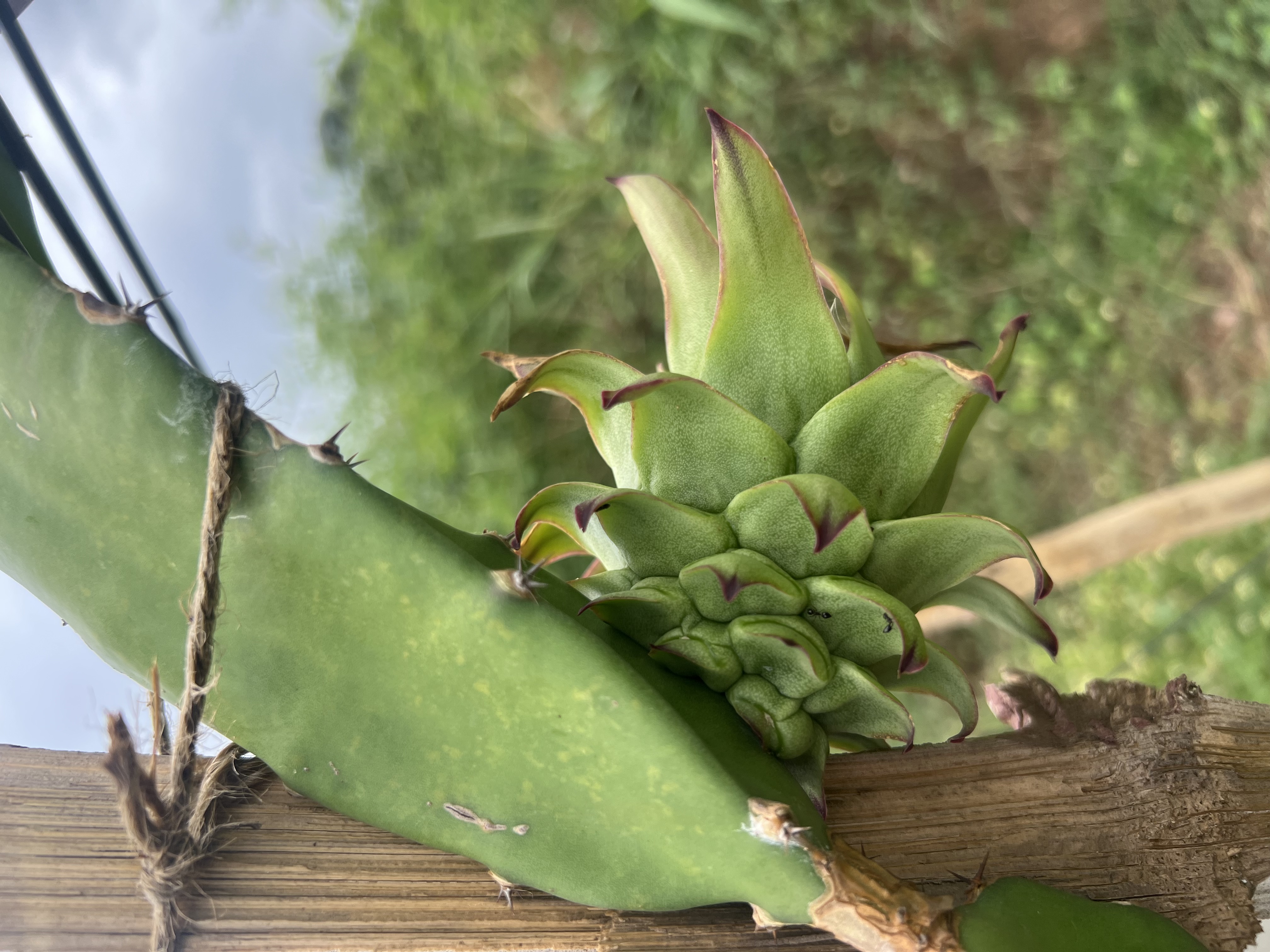
As I write this in June 2026, the first fruits are beginning to
develop. They're still small. They haven't been harvested yet, and
there is still plenty that can happen before they reach our
customers. Farming has taught me never to celebrate too early. But
for the first time since planting this orchard, I find myself
looking ahead with more confidence than uncertainty not because I
think I've figured everything out. Far from it. In many ways I feel
like I've only just scratched the surface of understanding dragon
fruit. I'm certain the coming years will bring new challenges, new
mistakes, and new lessons. The difference is that I now have a
better way of approaching them. Instead of searching for quick
solutions, I'll spend more time trying to understand the problem.
Instead of reacting to every symptom, I'll pay closer attention to
what the plants are trying to tell me. Instead of assuming I know
the answer, I'll keep observing. That shift in mindset is probably
the most valuable thing this orchard has given me.
One of the questions I'm asked most often is whether I would
recommend dragon fruit farming to someone who's just starting out.
My answer is yes but not because it's easy. I recommend it because
it's rewarding, provided you're willing to accept that the first
year is more about learning than earning. Go into it with realistic
expectations. Don't expect every cutting to survive. Don't expect
every season to go according to plan. Don't expect the internet to
have all the answers. Instead, expect to learn. Expect to make
mistakes. Expect to question your decisions. And expect that every
season will leave you a little more experienced than the last. If
you can accept that from the beginning, you'll handle the difficult
days much better than I did.
I also want to leave you with one thought about farming in general.
No two orchards are ever the same. The advice I've shared throughout
this article comes from my own experience, one particular climate,
one unusually long monsoon, and one first-time grower trying to
understand a completely new crop. Your soil may be different. Your
weather will certainly be different. Your management style, water
quality, and growing conditions will all shape your own journey. So
don't treat this article as the ultimate guide to dragon fruit
farming. Treat it as one farmer's field journal. Take what is
useful. Question what doesn't fit your conditions. Adapt every
lesson to your own orchard. Then allow your own experience to become
your greatest teacher.
If you've made it this far, thank you. Thank you for investing your
time in my story and, hopefully, taking something useful away from
it. If you're planning your own dragon fruit orchard, already
growing dragon fruit, or simply curious about the journey, I'd
genuinely love to hear from you. Feel free to reach out through
Instagram or WhatsApp. Whether you have a question, want to share
your own experiences, or simply want to discuss farming, I'm always
happy to connect with fellow growers. Agriculture grows stronger
when knowledge is shared honestly, successes, failures, and
everything in between.
Before I sign off, I'd like to leave you with a small glimpse of
what's next for Sunrise Acres. This year marked the beginning of our
journey with Siam Red, and it has taught me more than I could have
imagined. Next season that journey continues. Alongside Siam Red
we'll be introducing a brand-new dragonfruit variety to our orchard.
I've been quietly working towards this for some time, and while I'm
not quite ready to reveal all the details, I'm incredibly excited to
share the next chapter with you. If my first year taught me
anything, it's that every new variety comes with new questions. This
time, though, I'll be asking them with a little more experience. And
I'll continue sharing the journey just as honestly as I've shared
this one. Because I believe that's what farming is really about. Not
chasing perfect seasons. Not pretending to have all the answers. But
becoming a little better, a little wiser, and a little more
observant with every crop we grow.
The first fruit will always be memorable. But when I look back on
this journey years from now, I don't think that's what I'll remember
most. I'll remember the questions. The mistakes. The uncertainty.
The people who helped me. Family and Friends who have supported me. The evenings spent walking through the
orchard after everyone else had gone home. And the quiet
satisfaction of finally seeing that first flower, knowing that every
setback had taught me something I couldn't have learned any other
way. Because in the end, this wasn't just the story of my first
dragon fruit orchard. It was the story of my first year becoming the
kind of farmer I hope to be for many years to come.
Curious about Dragonfruit farming?
It's a huge learning curve but incredibly rewarding. Connect
with me below to discuss dragonfruit cultivation, mango
cultivation, or any other agricultural topics!